
Written by Michelle Garcia, RN | Founder, Trusted Nurse Advocates
Updated 12/14/2025
Medication management is a comprehensive process that ensures medications are used safely and effectively. It involves everything from obtaining prescriptions to understanding how and when to take them. Proper medication management is essential for preventing errors, avoiding drug interactions, and ensuring that medications have the desired effect. Effective medication management also involves regular communication with healthcare providers to stay informed about any changes to prescriptions or new developments in treatment plans.
Why is Medication Management Important?
Proper meds management can significantly impact a person’s health and quality of life. It ensures that medications are taken correctly and consistently, which can prevent complications and hospitalizations. Effective medication management reduces the risk of adverse drug events, which are among the leading causes of preventable harm in healthcare settings. For caregivers, effective medication management helps alleviate the stress of worrying about missed doses or medication errors. It empowers them with the knowledge and tools needed to provide the best possible care to their loved ones.
Key Components of Medication Management
- Understanding Prescriptions: Knowing what each medication is for, how it works, and any potential side effects. This understanding helps ensure that medications are used appropriately and that any adverse reactions are quickly identified and addressed.
- Organizing Medications: Keeping track of dosages, schedules, and refills. Effective organization minimizes the risk of missing doses and ensures that medications are taken as prescribed. This component also involves maintaining an accurate and up-to-date medication list that can be shared with healthcare providers as needed.
- Monitoring Effects: Observing how medications affect the patient and communicating any concerns with healthcare providers. This ongoing monitoring is crucial for making informed decisions about treatment adjustments and ensuring that medications are achieving their intended outcomes without causing harm.
Safety & Verification
Verify Before You Administer
A crucial part of medication management is ensuring safety at the moment of administration. Nurses have long used the 5 medication rights as a standard for safety, but modern best practices have expanded this to the 6 medication rights to ensure comprehensive care. Before giving any dose, always verify you have the right patient, medication, dose, route, time, and documentation.
Strategies for Effective Medication Management

1. Create a Medication List
One of the first steps in medication management is creating a comprehensive list of all medications, including over-the-counter drugs and supplements. This list should include the name of each medication, the dosage, the prescribing doctor, and the purpose of the medication. Having a detailed list helps avoid potential drug interactions and ensures that all healthcare providers have a complete picture of the patient’s medication regimen. Keep this list updated and bring it to every medical appointment to facilitate informed discussions with healthcare professionals.
2. Use a Pill Organizer
A pill organizer can be a lifesaver for managing multiple medications. These handy tools allow you to sort medications by day and time, reducing the risk of missed doses. Using a pill organizer can also simplify the process of verifying that medications have been taken as scheduled, providing peace of mind for both patients and caregivers. Choose an organizer that fits your needs, whether it’s a simple weekly planner or one with multiple compartments for each day, to accommodate varying medication schedules.
3. Set Reminders
In our busy lives, it’s easy to forget to take a medication. Setting reminders can help ensure doses aren’t missed. Technology offers various solutions, from smartphone apps that send alerts to digital assistants that provide verbal reminders. You can use smartphone apps, alarms, or even a simple calendar to remind you when it’s time to take a medication. For those who prefer traditional methods, sticky notes placed in strategic locations can serve as effective reminders.
4. Understand Each Medication
Take time to learn about each medication being taken. Understand why it’s prescribed, how it should be taken, and what side effects to watch for. This knowledge empowers patients and caregivers to take an active role in healthcare decisions and enhances communication with healthcare providers. If there are any questions or concerns, consult with a healthcare provider. Understanding medications fully can prevent misuse and enhance their effectiveness, ensuring that treatment goals are met without unnecessary complications.
5. Keep a Medication Journal
Keeping a journal to track medication effects can be incredibly beneficial. Note any side effects, changes in symptoms, or concerns. This practice provides a valuable record that can be referred to during doctor visits, helping to track progress and identify patterns that may require intervention. This information is invaluable during doctor visits and can help healthcare providers make informed decisions about treatment plans. Journaling also encourages regular reflection on health status, fostering a proactive approach to managing one’s well-being.
Communicating with Healthcare Providers

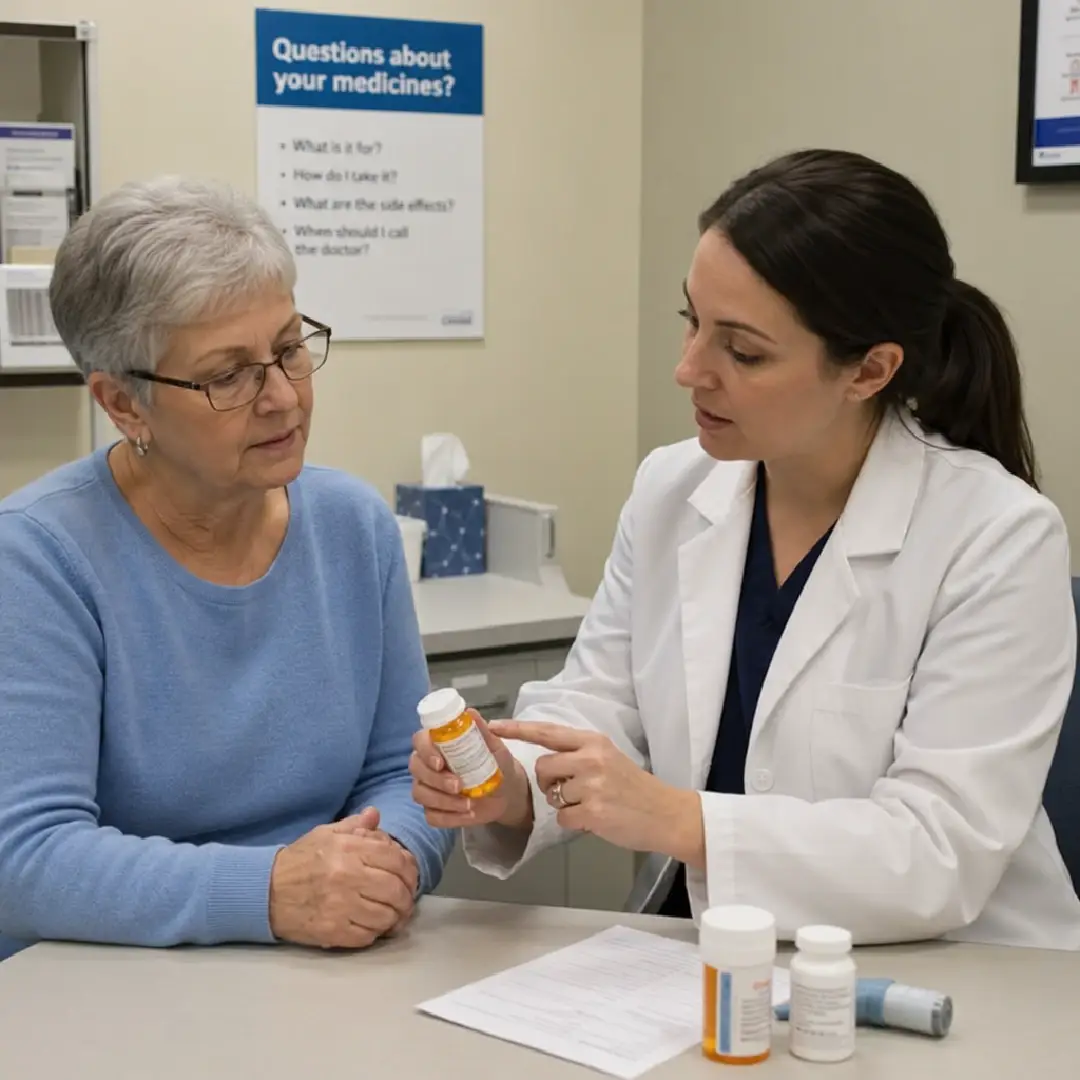
by Vitaly Gariev (https://unsplash.com/@silverkblack)
Communication with healthcare providers is a cornerstone of effective medication management. Establishing a strong relationship with healthcare providers ensures that patients and caregivers feel comfortable discussing any issues that arise. Here are a few tips to ensure clear and productive conversations:
- Ask Questions: Never hesitate to ask questions about medications. Understanding the treatment plan is crucial. Inquire about the purpose of each medication, potential side effects, and any necessary lifestyle adjustments.
- Be Honest: Share any concerns or side effects experienced with medications. Open communication helps providers make necessary adjustments to prescriptions and ensures that the treatment remains aligned with the patient’s needs.
- Review Medications Regularly: Discuss all current medications with healthcare providers regularly to ensure they are still necessary and the most effective option. Regular reviews can identify opportunities to simplify medication regimens or switch to alternative treatments that better suit the patient’s current health status.
Examples of Medication Management in Action
Let’s explore a couple of real-world scenarios where effective medication management has made a difference:
Scenario 1: Managing Multiple Medications
Sarah is a caregiver for her elderly father, who takes several medications daily. By using a pill organizer and setting phone reminders, Sarah ensures her father takes his medications on time. She maintains an updated medication list and brings it to all doctor appointments, making healthcare discussions more efficient and productive. This organized approach not only reduces stress for Sarah but also ensures that her father receives consistent and effective treatment.
Scenario 2: Monitoring Medication Effects
John has started a new medication and keeps a journal of his experiences. He notes any side effects and changes in his symptoms, which he discusses during follow-up appointments. This proactive approach helps his doctor adjust the treatment plan as needed, optimizing John’s health outcomes. By actively participating in his care, John can make informed decisions and work collaboratively with his healthcare provider to achieve the best possible results.
Documentation Tools
Track Your Progress with a Log
Memory can be unreliable, especially when managing complex prescriptions. Using a medication log is one of the most effective strategies to prevent missed doses. Whether you use a simple notebook or a structured medication log template, keeping a physical record helps caregivers communicate effectively with doctors. A simple medication log sheet can prevent the dangerous error of double-dosing.
Free Downloads
Download Free Medication Management Tools We know that creating a system from scratch is difficult. To support your journey, Trusted Nurse Advocates offers resources you can use immediately:
-
Download our free printable medication log sheet pdf to track daily doses.
-
Use our free printable medication inventory log to keep track of refills and expiration dates.
-
Get your copy of our daily medication log sheet pdf today.
These free printable medication log resources are designed to simplify your daily routine and give you peace of mind.
Conclusion
Medication management is a crucial aspect of healthcare that requires organization, understanding, and communication. By implementing these strategies, caregivers and patients alike can navigate the complexities of prescription management with greater ease and confidence. Remember, it’s always important to work closely with healthcare providers to ensure the best outcomes for you or your loved one. With these tools and tips, managing medications can become a more manageable and stress-free part of daily life.
By embracing these strategies, you can help ensure that the medication management process is not only effective but also empowering, allowing you to focus on what truly matters: the health and well-being of yourself or your loved one. Empowering patients and caregivers through knowledge and tools not only improves medication adherence but also enhances overall quality of life.

Need Help Navigating Your Healthcare?
Managing your health can become overwhelming, especially when you are dealing with chronic conditions, multiple medications, specialists, appointments, insurance questions, and finding the right resources.
You don’t have to make important healthcare decisions or navigate the system on your own. Trusted Nurse Advocates provides nurse-led care management to help you understand your care plan, coordinate your healthcare needs, connect with providers and resources, and know what steps to take next.
Have Medicare? You may qualify for care management services. We work with eligible Medicare beneficiaries, including individuals with Original Medicare and participating Medicare Advantage plans.
Reach out today for a free consultation and let us help guide you every step of the way.
Coverage and eligibility vary by Medicare plan and individual circumstances. Contact Trusted Nurse Advocates to verify eligibility and available services.
Michelle Garcia, RN, is a Registered Nurse with 28 years of healthcare experience, including emergency nursing, long-term care, case management, nursing leadership, education, and patient advocacy. As the founder of Trusted Nurse Advocates, Michelle is passionate about helping older adults, people living with chronic conditions, and their families navigate complex healthcare needs, coordinate care, access resources, and remain as safe and independent as possible.