
Stage 2 Kidney Disease: Symptoms and Care
Stage 2 kidney disease is an early stage in the chronic kidney disease stages. Kidney function is still fairly good, but there are signs of damage. Many people feel fine. Others only learn about it from kidney function tests, urine tests, or blood pressure checks.
This guide explains what stage 2 kidney disease may feel like, where it fits in the CKD stages, and what CKD management often looks like.
What are the symptoms of stage 2 kidney disease?
Most people have no clear symptoms. That is why stage 2 kidney disease is often found on blood and urine tests, not from how a person feels. The National Institute of Diabetes and Digestive and Kidney Diseases says early CKD often has no symptoms.
When signs do show up, they are often mild. Call a healthcare professional if you notice:
- Foamy urine or other urine changes
- More trips to the bathroom at night
- Swelling in the feet, ankles, hands, or around the eyes
- Higher blood pressure, or blood pressure that is harder to control
- Fatigue or low energy
- Mild nausea or less appetite
- Lab changes, such as proteinuria, blood in the urine, or abnormal imaging
Stage 2 kidney disease is usually not a symptom-heavy stage. A person can feel normal and still have early kidney damage. That is why early testing matters. It gives you and your care team more time to protect kidney function.
Stage 2 in the CKD stages
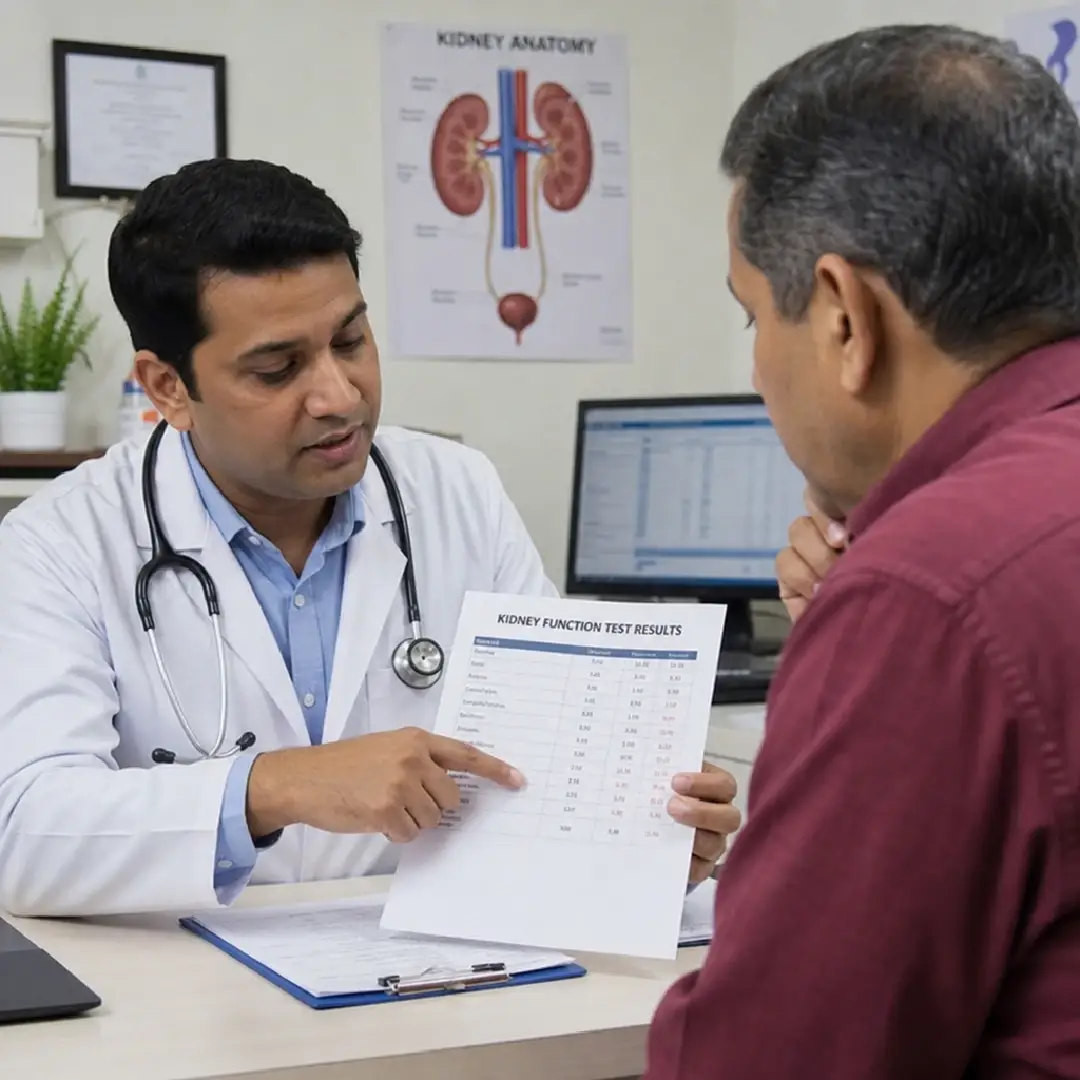
CKD stages are based mainly on eGFR, or estimated glomerular filtration rate. This blood test shows how well the kidneys filter waste. The National Kidney Foundation says stage G2 CKD means an eGFR of 60 to 89 plus kidney damage, such as proteinuria, for at least three months.
An eGFR in that range does not by itself mean stage 2 kidney disease. Diagnosis depends on the full picture, including urine tests, repeat results, scans, medical history, and other signs of damage.
A simple view of kidney disease stages is:
- Stage 1: eGFR of 90 or higher, with kidney damage
- Stage 2: eGFR of 60 to 89, with kidney damage
- Stage 3a kidney disease: eGFR of 45 to 59
- Stage 3b kidney disease: eGFR of 30 to 44
- Stage 4 kidney disease: eGFR of 15 to 29
- Stage 5 kidney disease: eGFR below 15, often called kidney failure
KDIGO says CKD staging uses more than eGFR alone. It also looks at protein in urine and the cause of kidney disease. That is why two people with the same eGFR can have different risks and care plans.
Why stage 2 kidney disease can be easy to miss
Stage 2 kidney disease can be hard to spot because kidneys have a large buffer. They may still work well enough that daily life feels normal, even when early damage is present. The CDC notes that people may not have symptoms until the kidneys are badly damaged, which is one reason kidney function tests matter so much for people at higher risk.
Early signs can also look like other common problems. Feeling tired, waking at night to urinate, or having mild swelling may not point right away to kidney health. These signs can have many causes, so the goal is not to self-diagnose. It is to know when a checkup makes sense.
Testing matters most for people with diabetes, high blood pressure, heart disease, obesity, a family history of kidney disease, or past kidney problems. These risk factors do not mean CKD is present, but they do make regular kidney checks more important.
What tests help confirm stage 2 kidney disease?
Stage 2 kidney disease is usually confirmed with blood tests, urine tests, and the full clinical picture. Symptoms alone are not enough. Common tests include:
- eGFR blood test
This estimates kidney filtering. One result may not tell the whole story, so clinicians often look at trends. - Urine albumin-to-creatinine ratio
This is often called uACR. It checks for proteinuria, an early sign of damage even when eGFR is still fair. - Blood pressure check
High blood pressure can cause CKD and can also result from it. Good control is a key part of CKD management. - Blood sugar testing when needed
Diabetes is a major risk factor for CKD, so glucose and A1C results may guide care. - Medication and health history review
Some drugs, supplements, infections, immune disease, and urinary tract issues can affect kidney health. - Imaging or kidney specialist referral when needed
Ultrasound or nephrology referral may help if results are unclear, kidney shape is a concern, or kidney function changes fast.
For many people, the most useful clue is the trend. A stable eGFR and lower urine albumin may show that the plan is working. A falling eGFR or rising albumin may mean closer follow-up is needed.
Symptoms as CKD moves past stage 2
It helps to know what later CKD stages can look like. Stage 2 is early, but CKD can worsen if the cause is not treated.
In stage 3 kidney disease, which includes stage 3a kidney disease and stage 3b kidney disease, symptoms may still be mild or absent. Some people may notice fatigue, swelling, changes in urination, or blood pressure problems. Stage 3b is more serious than stage 3a because the eGFR is lower.
In stage 4 kidney disease, symptoms are more likely. People may have swelling, appetite changes, nausea, sleep problems, muscle cramps, or shortness of breath from fluid buildup or anemia. Care at this stage is often closer and more detailed.
In stage 5 kidney disease, kidney function is very low. Symptoms may include severe fatigue, nausea, vomiting, itching, swelling, confusion, or trouble breathing. Some people need dialysis or a kidney transplant evaluation, depending on symptoms, lab results, overall health, and treatment goals.
Not everyone follows the same path. Some people stay stable for years, especially when blood pressure, blood sugar, urine albumin, diet, and medication risks are managed well.
Practical CKD management in stage 2
CKD management in stage 2 usually focuses on slowing damage, lowering heart risk, and watching for change. Because symptoms may be absent, the plan often depends on clear goals, not on how someone feels each day.
Helpful steps often include:
- Know your numbers. Ask about your eGFR, urine albumin, blood pressure, blood sugar if needed, and cholesterol.
- Control blood pressure. Targets should be personal, but steady control is one of the best kidney-protective steps.
- Manage diabetes well if you have it. Good blood sugar control can ease stress on the kidneys.
- Review medicines and supplements. Some over-the-counter pain relievers and supplements may not be right for people with CKD.
- Follow kidney health tips for eating. This may mean less sodium, balanced meals, and avoiding very high-protein diets unless your clinician advises it.
- Stay active in a realistic way. Regular movement supports blood pressure, blood sugar, weight, and heart health.
- Stop smoking if you smoke. Smoking can harm blood vessels, which matters for kidney and heart health.
- Keep follow-up visits. Stage 2 kidney disease is often watched over time, and missed tests can delay needed changes.
It is easy to look for one kidney disease diet or one supplement that fixes everything, but stage 2 care is usually personal. Someone with high blood pressure may need a different plan than someone with diabetes, kidney stones, immune disease, or inherited kidney disease.
When to call a healthcare professional
Call a healthcare professional if you notice swelling that does not go away, foamy urine, blood in the urine, worse blood pressure, unexplained fatigue, or a major change in urination. These signs do not always mean kidney disease is getting worse, but they should be checked.
Get urgent care right away for severe shortness of breath, chest pain, confusion, fainting, can’t urinate, sudden major swelling, or signs of severe dehydration. Kidney problems can overlap with heart, infection, and medicine-related issues, so urgent symptoms should not wait.
If you already know you have stage 2 kidney disease, you may want to ask:
- What signs of kidney damage led to my diagnosis?
- What were my eGFR and urine albumin results?
- Are my results stable, better, or worse?
- How often should I repeat blood and urine tests?
- Do any of my medicines need to change?
- Should I see a kidney specialist?
- What blood pressure or blood sugar goals are right for me?
These questions can turn a vague diagnosis into a clear plan. They also help you know whether your CKD stages are low risk and stable or need closer care.
Key takeaway
Stage 2 kidney disease often has few or no symptoms, but it still needs follow-up. The diagnosis usually depends on an eGFR of 60 to 89 plus signs of kidney damage over time, especially proteinuria or other clinical findings. Compared with stage 3a kidney disease, stage 3b kidney disease, stage 4 kidney disease, and stage 5 kidney disease, stage 2 is early and often manageable with the right monitoring and risk reduction.
The best next step is not to panic or ignore it. Learn your test results, ask what caused the kidney damage, and work with your healthcare team on a practical CKD management plan. Early action can help protect kidney function and overall health.
Q&A
Question: What is stage 2 kidney disease?
Short answer: Stage 2 kidney disease is an early stage of chronic kidney disease. It generally involves an eGFR between 60 and 89 along with evidence of kidney damage, such as protein in the urine, for at least three months. An eGFR in this range alone does not confirm stage 2 CKD; healthcare professionals consider urine tests, medical history, imaging, and repeat results.
Question: What are the symptoms of stage 2 kidney disease?
Short answer: Many people have no noticeable symptoms during stage 2 kidney disease. When symptoms occur, they may include foamy urine, changes in urination, nighttime urination, mild swelling, fatigue, nausea, reduced appetite, or difficult-to-control blood pressure. Because early CKD can be silent, routine blood and urine testing is important for people with risk factors.
Question: How is stage 2 kidney disease diagnosed?
Short answer: Diagnosis usually involves an eGFR blood test, a urine albumin-to-creatinine ratio test, blood pressure checks, and a review of blood sugar, medications, supplements, and medical history. Clinicians may also order imaging or refer the patient to a kidney specialist when results are unclear or kidney function changes quickly.
Question: Can stage 2 kidney disease get worse?
Short answer: CKD does not progress at the same rate for everyone. Some people remain stable for years, especially when blood pressure, blood sugar, urine albumin, medication risks, and lifestyle factors are managed. Regular follow-up helps identify changes in eGFR or urine albumin so the care plan can be adjusted promptly.
Question: How is stage 2 kidney disease managed?
Short answer: Management focuses on protecting kidney function and reducing cardiovascular risk. It may include controlling blood pressure, managing diabetes, reviewing medications and supplements, limiting sodium when advised, following an individualized eating plan, staying physically active, stopping smoking, and attending recommended blood and urine testing appointments.
Question: What medications should people with stage 2 kidney disease avoid?
Short answer: Medication safety is personal, and patients should not stop or change prescribed medicines without medical advice. Some over-the-counter pain relievers, supplements, and other products may affect kidney function or interact with treatment. Ask a healthcare professional or pharmacist to review all prescriptions, over-the-counter medicines, vitamins, and supplements.
Question: When should someone with stage 2 kidney disease contact a healthcare professional?
Short answer: Contact a healthcare professional about persistent swelling, foamy urine, blood in the urine, worsening blood pressure, unexplained fatigue, or a significant change in urination. Seek urgent care for severe shortness of breath, chest pain, confusion, fainting, inability to urinate, sudden major swelling, or signs of severe dehydration.
Question: When should someone with stage 2 kidney disease see a nephrologist?
Short answer: A nephrology referral may be appropriate when kidney function declines quickly, urine protein levels are concerning, test results are unclear, imaging shows a possible kidney problem, or the condition is difficult to manage. Ask your healthcare professional whether specialist care is appropriate for your results and risk factors.
Michelle Garcia, RN is a Registered Nurse with 28 years of healthcare experience, including emergency nursing, long-term care, case management, nursing leadership, education, and patient advocacy.
As the founder of Trusted Nurse Advocates, Michelle is passionate about helping older adults, people living with chronic conditions, and their families navigate complex healthcare needs, coordinate care, access resources, and stay as safe and independent as possible. ++trustednurseadvocates.com++
Trusted Nurse Advocates | Nurse-Led Care Management & Patient Advocacy
Need Help Navigating Your Healthcare?
Managing your health can feel overwhelming, especially when you deal with chronic conditions, multiple medicines, specialists, appointments, insurance questions, and the search for the right resources.
You don’t have to make important healthcare decisions or navigate the system on your own. Trusted Nurse Advocates offers nurse-led care management to help you understand your care plan, coordinate your healthcare needs, connect with providers and resources, and know what to do next.
Have Medicare? You may qualify for care management services. We work with eligible Medicare members, including people with Original Medicare and Medicare Advantage plans.
Reach out today for a free consultation and let us help guide you every step of the way.
[Schedule a Free Consultation →]