Written by Michelle Garcia, RN | Founder, Trusted Nurse Advocates
Updated 10/24/2025
Care plan meetings are a crucial part of ensuring that patients receive the best possible care. These meetings bring together healthcare professionals, patients, and their families to discuss and coordinate care plans. If done effectively, care plan meetings can lead to improved patient outcomes and greater satisfaction for both patients and caregivers. Here, we’ll explore effective strategies for conducting successful care plan meetings in nursing homes and other care settings.

Care plan meetings serve as a cornerstone for care coordination services. These meetings ensure that everyone involved in a patient’s care is on the same page, which helps to prevent misunderstandings and mistakes. They also provide a platform for patients and their families to voice concerns and preferences, ensuring that care plans are aligned with the patient’s goals and needs.
The Role of Care Plan Meetings in Nursing Homes
In nursing homes, care plan meetings are particularly important. These meetings help to assess the current health status of residents, review their progress, and make necessary adjustments to care plans. By regularly updating care plans, nursing homes can ensure that residents receive personalized and effective care.
Preparing for a Care Plan Meeting
Preparation is key to a successful care plan meeting. Here are some strategies to consider:
Gathering and Sharing Information
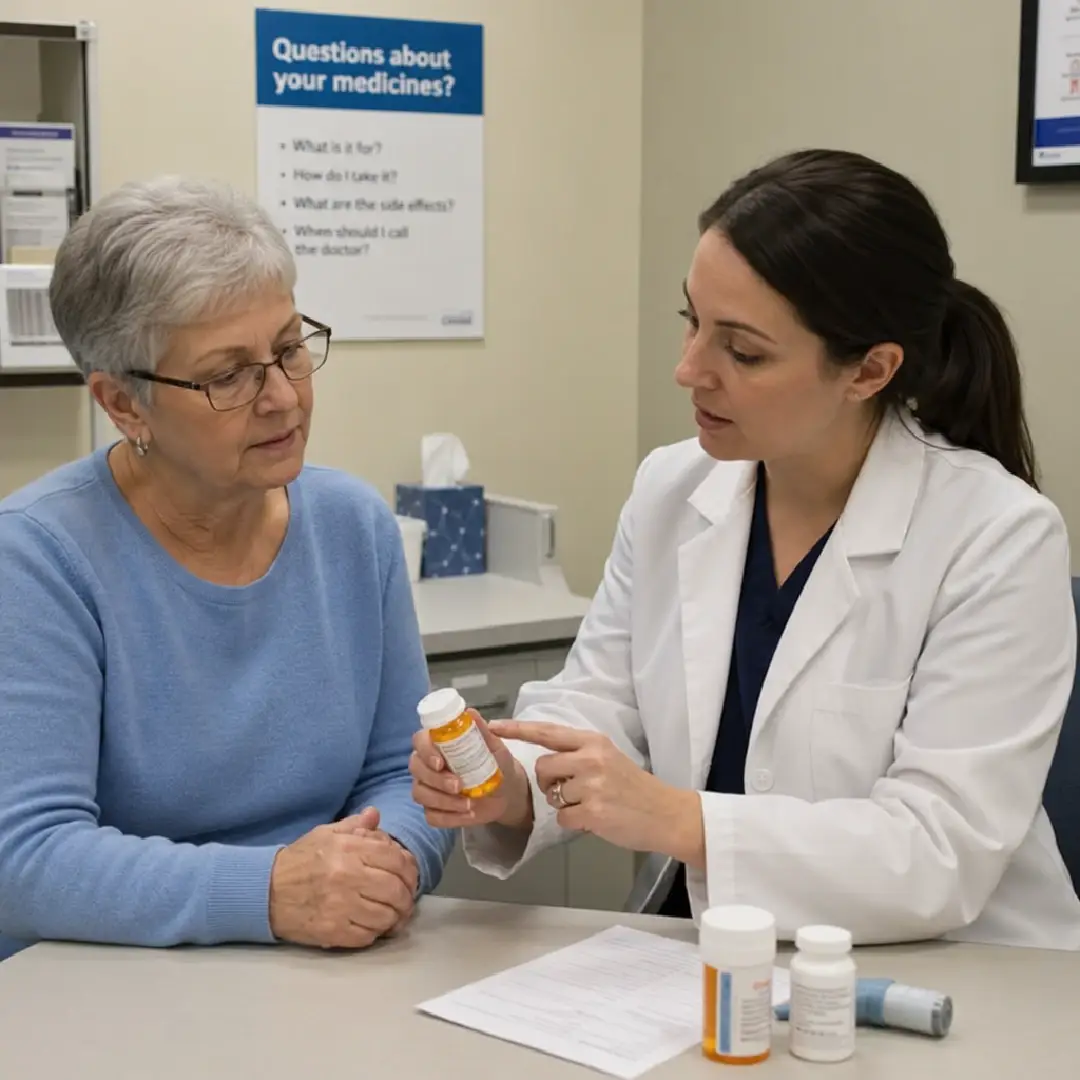
Before the meeting, gather all relevant information about the patient’s health status, treatment plans, and any recent changes. This can include medical records, medication lists, and progress notes. Sharing this information with the care team ahead of time can make the meeting more efficient and focused.
Setting Clear Objectives
Establish clear objectives for the meeting. What do you want to achieve? Is it a routine update, or are there specific issues that need to be addressed? Having clear goals will help keep the meeting on track and ensure that all important topics are covered.
Engaging the Patient and Family
Invite the patient and their family members to actively participate in the meeting. Encourage them to prepare questions or concerns they want to discuss. This helps to create a more inclusive environment where everyone feels heard and valued.
Conducting the Care Plan Meeting

Once you’ve prepared, it’s time to conduct the meeting. Here’s how to facilitate a productive discussion:
Creating a Welcoming Environment
Start the meeting by creating a welcoming and respectful atmosphere. Introduce everyone present and explain their roles. This sets the stage for open communication and collaboration.
Communicating Clearly and Compassionately
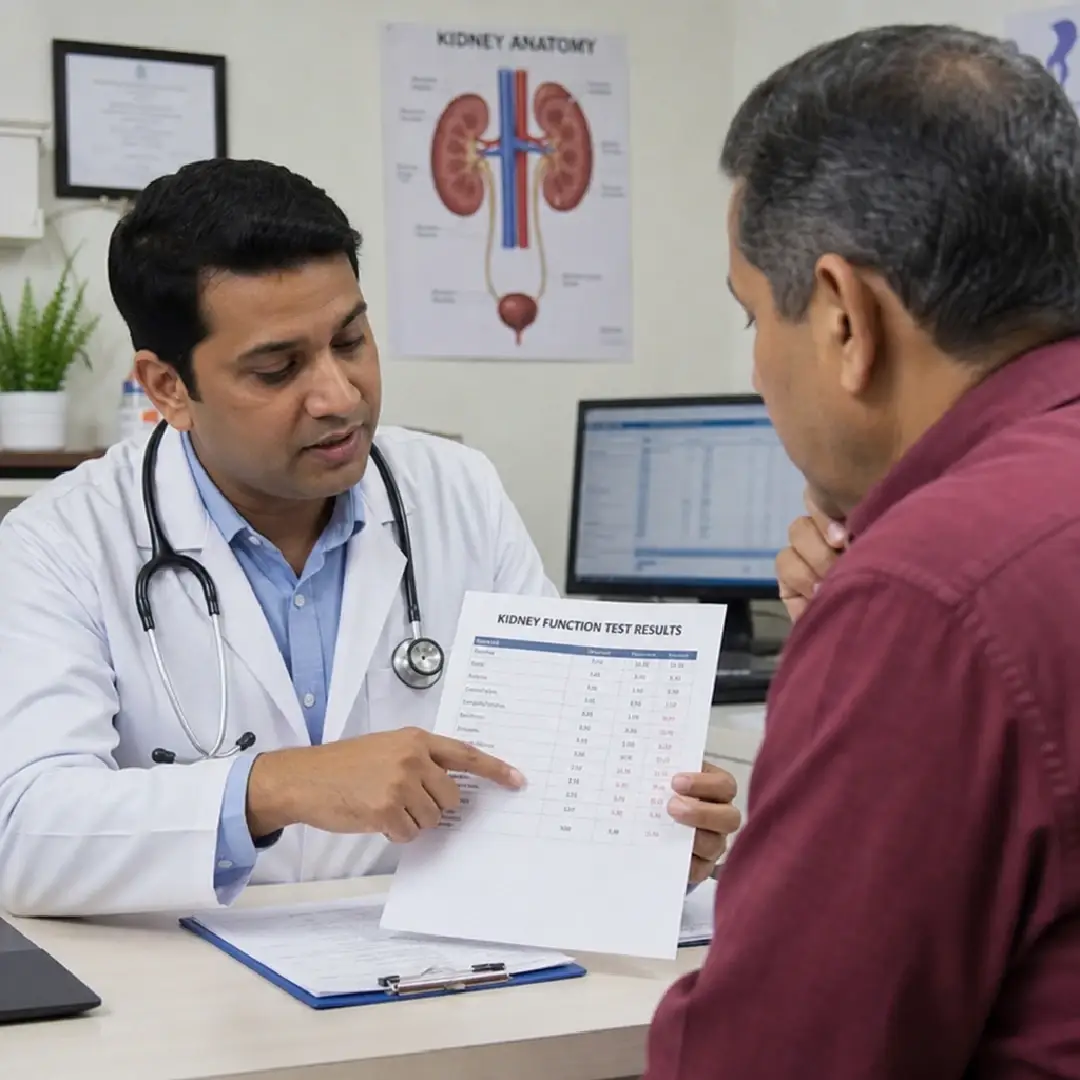
Use clear, simple language to discuss medical information. Avoid jargon that may confuse patients or family members. Show empathy and understanding, especially when discussing sensitive topics. Remember, your goal is to bridge the gap between complex medical processes and the emotional needs of those involved.
Collaborating on the Care Plan
Work together with the care team, the patient, and their family to develop or update the care plan. Discuss treatment options, goals, and any potential challenges. Make sure that everyone has the opportunity to ask questions and provide input.
Documenting the Meeting
Take detailed notes during the meeting to document the discussions and decisions made. This documentation is essential for future reference and ensures continuity of care. Share a summary of the meeting with all participants to confirm that everyone is on the same page.
Post-Meeting Follow-Up
After the meeting, follow up on the action items discussed. This might involve scheduling additional appointments, coordinating with other healthcare providers, or implementing changes to the care plan. Regular follow-ups help to ensure that care plans are effectively executed and adjusted as needed.
Embracing Technology in Care Plan Meetings

by Nappy (https://unsplash.com/@nappystudio)
Technology can play a significant role in enhancing care plan meetings. Here are some ways to incorporate technology effectively:
Using Electronic Health Records (EHRs)
EHRs can streamline the sharing of patient information among care team members. They ensure that everyone has access to the most up-to-date information, which can improve decision-making and reduce the risk of errors.
Virtual Meetings
In situations where in-person meetings are not possible, consider using virtual meeting platforms. These tools can facilitate communication and collaboration, especially for family members who may not be able to attend in person.
Care Coordination Software
Invest in care coordination software that allows for seamless communication and task management. These tools can help healthcare teams stay organized and ensure that all aspects of the care plan are being addressed.
Conclusion
Care plan meetings are an essential component of effective healthcare delivery. By preparing thoroughly, communicating clearly, and embracing technology, healthcare professionals can conduct successful care plan meetings that lead to better patient outcomes. Remember, the goal is to provide personalized, compassionate care that meets the unique needs of each patient. By following these strategies, you can make care plan meetings a productive and positive experience for everyone involved.
Need Help Navigating Your Healthcare?
Managing your health can become overwhelming, especially when you are dealing with chronic conditions, multiple medications, specialists, appointments, insurance questions, and finding the right resources.
You don’t have to make important healthcare decisions or navigate the system on your own. Trusted Nurse Advocates provides nurse-led care management to help you understand your care plan, coordinate your healthcare needs, connect with providers and resources, and know what steps to take next.
Have Medicare? You may qualify for care management services. We work with eligible Medicare beneficiaries, including individuals with Original Medicare and participating Medicare Advantage plans.
Reach out today for a free consultation and let us help guide you every step of the way.
Coverage and eligibility vary by Medicare plan and individual circumstances. Contact Trusted Nurse Advocates to verify eligibility and available services.
Michelle Garcia, RN, is a Registered Nurse with 28 years of healthcare experience, including emergency nursing, long-term care, case management, nursing leadership, education, and patient advocacy. As the founder of Trusted Nurse Advocates, Michelle is passionate about helping older adults, people living with chronic conditions, and their families navigate complex healthcare needs, coordinate care, access resources, and remain as safe and independent as possible.
Trusted Nurse Advocates | Nurse-Led Care Management & Patient Advocacy trustednurseadvocates.com