Written by Michelle Garcia, RN | Founder, Trusted Nurse Advocates
Updated 09/11/2026
Care transitions happen when patients move from one care setting, provider, or level of support to another. This can be a hospital discharge, a patient transfer to a skilled nursing facility, or a transition of care from hospital to home. When discharge planning, care coordination, and follow-up go well, patients know what to do next, avoid confusion, and stay linked to the right team.
Improving outcomes during a transition of care does not depend on one form or one phone call. It takes clear communication, simple planning, shared responsibility, and patient-centered care that continues after discharge.
Download the Free Toolkit → [See If I Qualify →] FREE Discharge Checklist
What makes care transitions so challenging?
Care transitions are hard because information, responsibility, and daily routines all change at once. A patient may leave a structured hospital stay and then need to manage medicine, visits, symptoms, rides, diet, wound care, or equipment at home. If instructions are unclear or the next care team does not have full information, small gaps can become bigger problems.
The challenge is not only clinical. Patients and caregivers may be tired, worried, or overwhelmed when they are asked to take in key details. A strong transition planning process gives people plain language, repeats important points in more than one way, and matches the plan to what they can realistically do after discharge.
Common transition risks include:
- Medication changes that are not fully explained or reconciled
- Follow-up visits that are delayed, missed, or never scheduled
- Discharge instructions that are too technical or incomplete
- No clear warning signs or contact person
- Caregivers who were not included in teaching
- Patient transfer details that do not reach the next provider on time
- Social needs, such as rides or home support, that are missed
Addressing these risks early helps protect ongoing care and gives patients a safer path from one setting to the next.
Strong discharge planning starts before discharge
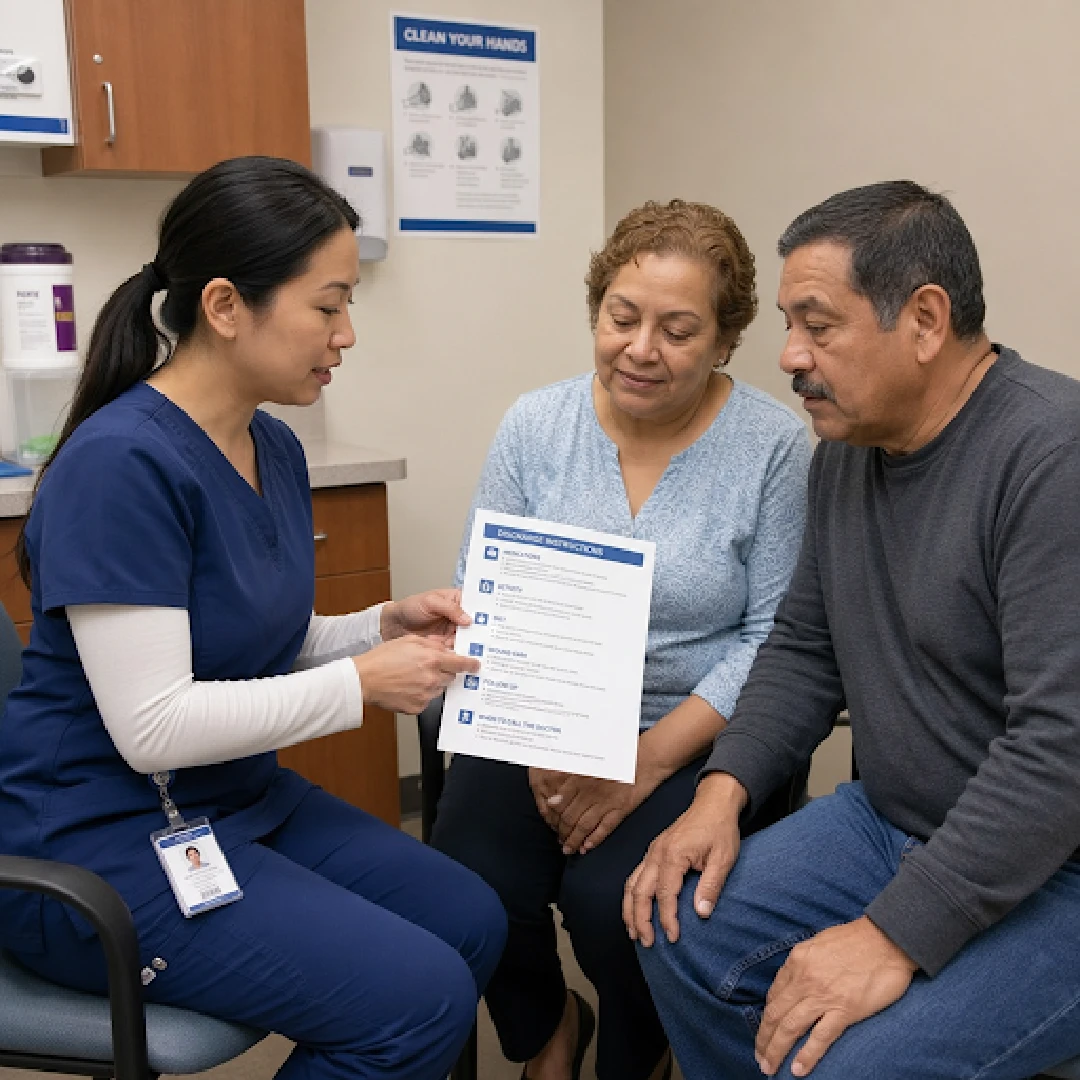
Effective discharge planning starts as soon as the care team knows what the patient will likely need after leaving. Waiting until the last hours of a hospital stay makes it harder to solve practical barriers, involve family, arrange services, and confirm that the patient understands the plan.
A strong discharge plan should link the clinical picture with the patient’s real-life situation. For example, a medicine schedule may be medically right, but it still needs to fit the patient’s ability to get prescriptions, read labels, remember doses, and pay for needed supplies. The best plans are not only correct; they are useful in real life.
A practical discharge planning checklist may include:
- Confirm the patient’s diagnosis, current status, and reason for transition
- Reconcile medications and explain what changed, what stopped, and why
- Schedule follow-up visits or clearly assign who will do it
- Identify the main contact for questions after discharge
- Review symptoms that need urgent care
- Confirm transportation, home support, equipment, and supplies
- Provide written instructions in clear language
- Include caregivers when the patient agrees and support is needed
- Send key records to the next provider or care setting
This checklist works best when it is used as a communication tool, not just a paperwork task. Each item should lower uncertainty for the patient, the caregiver, or the next care team.
Get your FREE Discharge checklist here! [See If I Qualify →] Download the Free Toolkit → FREE Dishcarge Checklist
How does care coordination improve patient outcomes?
Care coordination improves patient outcomes by making sure the right people have the right information at the right time. During a transition of care, this means the sending team, receiving team, patient, caregiver, pharmacy, and community services are all aligned around the same plan. When coordination is strong, patients are less likely to get conflicting instructions or feel left alone after leaving one setting.
Care coordination also helps close the gap between medical advice and daily follow-through. A care management team may help confirm that prescriptions were filled, home health services were started, or a follow-up appointment was set soon enough for the patient’s condition. These steps are especially helpful for patients with complex needs, multiple long-term conditions, limited support, or repeated acute care visits.
Good coordination usually includes both clinical and nonclinical support. A patient may understand the medical plan but still struggle because they lack transportation, do not have a working phone, or need help with meals. When these barriers are found during transition planning, the care team can connect the patient with the right resources instead of assuming the plan will work on its own. Clear care pathways help each person know what to do next. [See If I Qualify →]
Communication is the backbone of continuity of care
Continuity of care depends on clear handoffs. A handoff is not just a transfer of documents; it is a transfer of understanding. The receiving provider needs to know what happened, what is still open, what needs watching, and what the patient has been told.
For a patient transfer between facilities, the handoff should include key clinical details, current medications, allergies, recent test results, pending results, mobility or safety concerns, and the reason for the transfer. For a transition of care from hospital to home, the handoff may also include primary care follow-up, specialist referrals, home health instructions, and caregiver duties.
Patients need their own version of the patient handoff too. A clear patient-facing summary should answer four basic questions:
- What happened during this care episode?
- What do I need to do next?
- What warning signs should I watch for?
- Who should I call if I need help?
When those answers are missing or hidden in technical language, the patient may leave with paperwork but without a workable plan.
A pharmacist transition of care review can also help by checking doses, drug lists, and refill needs before the patient leaves. Download the Free Toolkit → [See If I Qualify →] FREE Dishcarge Checklist
Transitional care management extends support beyond the handoff
Transitional care management focuses on the time after a patient leaves one care setting and before they are settled in the next phase of care. This support can include follow-up calls, medicine review, appointment help, symptom checks, and links to needed services.
The value of transitional care management is that it treats discharge as a start, not an end point. Patients often find problems only after they return home: a prescription is missing, a device is hard to use, a symptom changes, or a caregiver needs more guidance. Timely follow-up gives the care team a chance to fix issues before they become urgent.
A practical post-discharge outreach process may include:
- Contact the patient or caregiver soon after discharge
- Confirm the patient understands the care plan
- Review medicines and access to prescriptions
- Ask about new or worsening symptoms
- Verify upcoming appointments and transportation
- Reinforce who to call for specific concerns
- Document unresolved needs and assign follow-up actions
This type of care management works best when staff have clear roles. If everyone thinks someone else is checking on the patient, important needs can be missed. Ownership keeps the transition moving. [See If I Qualify →]
What should patients and caregivers understand before going home?
Patients and caregivers should understand the diagnosis, medicine plan, follow-up schedule, warning signs, and who to contact with questions before going home. They should also know what support is expected from them and what support will come from clinicians, home health providers, pharmacies, or community resources. The goal is not memorizing every detail. The goal is knowing how to act and where to turn.
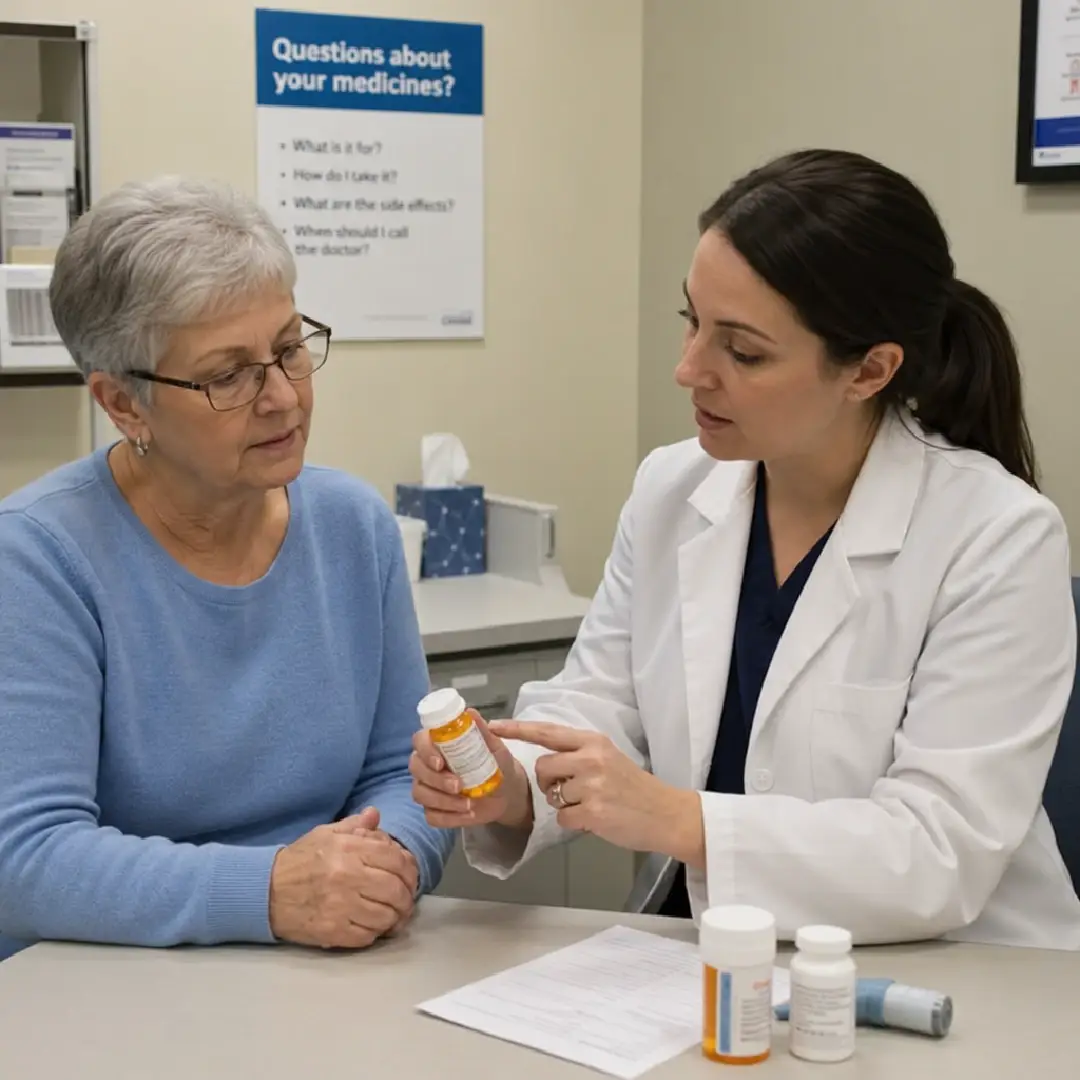
Teaching should be simple, specific, and interactive. Instead of asking whether they understand, care teams can ask the patient to explain the plan back in their own words. This approach helps reveal confusion while there is still time to fix it.
Helpful patient education topics include:
- Medication names, purpose, timing, and possible concerns
- Diet, activity, wound care, therapy, or equipment instructions
- Follow-up visits and why they matter
- Red flags that need a call, urgent visit, or emergency care
- Limits, such as driving, lifting, or returning to work
- How to reach the care team after hours, if available
- What information to bring to the next appointment
Caregivers should be included when they are part of the plan. If a family member is expected to manage rides, meals, dressing changes, or medication reminders, they need clear instructions and a chance to ask questions. [See If I Qualify →]
Practical ways healthcare teams can strengthen transition planning
Improving transition planning is often about making good habits easier to follow. Busy teams need workflows that support consistency without turning every discharge into a rushed checklist. Standard processes help, but they should still leave room for patient-specific needs.
Healthcare teams can strengthen transitions by focusing on these practices:
Standardize the essentials
Every transition should include a core set of information: diagnosis, current condition, medication list, pending tests, follow-up needs, patient instructions, and responsible contacts. Consistency reduces the chance that important details depend entirely on memory or personal style.
Use plain language
Patients are more likely to follow a plan they can understand. Replace medical jargon with everyday words whenever possible, and explain needed terms. Written materials should be easy to scan, with the most important next steps easy to see.
Confirm medication clarity
Medication differences are a common source of confusion during care transitions. The team should clearly identify new medicines, stopped medicines, dose changes, and duplicate therapies that should be avoided. Patients should know which list is current.
Close the loop with receiving providers
Sending information is not always the same as confirming it was received. For higher-risk transitions, teams may need direct contact with the next provider, facility, or service. Closed-loop communication is especially important when there are pending results or urgent follow-up needs.
Match support to risk
Not every patient needs the same level of follow-up. Patients with complex conditions, limited health literacy, many medicines, behavioral health needs, or weak social support may benefit from more intensive transitional care management. Risk-based support helps direct resources where they can do the most good.
Technology can support, but not replace, human follow-through
Electronic records, discharge templates, patient portals, and automated reminders can make transition of care processes more reliable. They can help teams share information, track tasks, and remind patients about next steps. But technology only works when the information is accurate, timely, and useful.
A portal message may help one patient and do little for another who lacks internet access or rarely checks messages. Automated reminders may support appointment attendance, but they cannot answer complex questions or notice when a caregiver sounds overwhelmed. The best systems blend digital tools with human judgment.
For care management teams, technology should make gaps visible. Missed visits, unfilled prescriptions, delayed home services, or unanswered outreach attempts can all signal that a patient may need more help. When teams track these signals, they can step in earlier and keep care moving.
Better transitions create safer, more connected care
A well-managed care transition helps patients move from one setting to another with less confusion and more confidence. It protects continuity of care by aligning providers, clarifying duties, and making sure the patient understands what happens next. Whether the focus is discharge planning, patient transfer, or ongoing transitional care management, the same idea applies: a transition works only when the patient can safely keep going after the handoff.
Healthcare teams that invest in clear communication, practical transition planning, and coordinated follow-up build a stronger bridge between care episodes. That bridge can make the difference between a patient feeling lost after discharge and a patient knowing exactly what to do next. [See If I Qualify →]
Q&A
Question: Why should discharge planning begin before the final day of a hospital stay?
Short answer: Starting early gives the care team time to spot barriers, involve caregivers, arrange services, confirm transportation or equipment needs, reconcile medicines, and make sure the patient understands the plan. Waiting until the last few hours can turn discharge into a rushed paperwork task instead of a practical, patient-centered transition.
Question: What is the difference between a handoff and simply sending records?
Short answer: Sending records passes along information, but a true handoff passes along understanding. The receiving provider should know what happened, what is still open, what needs watching, what medicines or test results matter, and what the patient has already been told. This helps protect continuity of care and lowers the risk of missed follow-up or mixed instructions.
Question: How can care teams tell whether a patient really understands discharge instructions?
Short answer: Instead of using a yes-or-no question, care teams can ask patients to explain the plan in their own words. This teach-back style can uncover confusion about medicines, warning signs, visits, or who to call, giving clinicians a chance to fix it before the patient leaves.
Question: Which patients may need more intensive transitional care management?
Short answer: Patients with complex conditions, multiple long-term illnesses, many medicines, limited health literacy, behavioral health needs, weak social support, ride problems, or a history of repeated acute care visits may need closer follow-up. Risk-based support helps care teams spend extra time where gaps are more likely to affect safety and outcomes.
Question: Can technology solve most transition-of-care problems by itself?
Short answer: No. Electronic records, portals, templates, and reminders can make transitions more reliable, but they cannot replace accurate communication, human judgment, and follow-through. A reminder may help with a visit, but a person may still be needed to answer questions, notice caregiver stress, or respond when prescriptions, home services, or transportation fall through.
Download the Free Toolkit → FREE Discharge Checklist
Need Help Navigating Your Healthcare?
Managing your health can become overwhelming, especially when you are dealing with chronic conditions, multiple medications, specialists, appointments, insurance questions, and finding the right resources.
You don’t have to make important healthcare decisions or navigate the system on your own. Trusted Nurse Advocates provides nurse-led care management to help you understand your care plan, coordinate your healthcare needs, connect with providers and resources, and know what steps to take next.
Have Medicare? You may qualify for care management services. We work with eligible Medicare beneficiaries, including individuals with Original Medicare and participating Medicare Advantage plans.
Reach out today for a free consultation and let us help guide you every step of the way.
Coverage and eligibility vary by Medicare plan and individual circumstances. Contact Trusted Nurse Advocates to verify eligibility and available services.
Michelle Garcia, RN, is a Registered Nurse with 28 years of healthcare experience, including emergency nursing, long-term care, case management, nursing leadership, education, and patient advocacy. As the founder of Trusted Nurse Advocates, Michelle is passionate about helping older adults, people living with chronic conditions, and their families navigate complex healthcare needs, coordinate care, access resources, and remain as safe and independent as possible. trustednurseadvocates.com