Written by Michelle Garcia, RN | Founder, Trusted Nurse Advocates
Updated 9/11/2026
COPD management works best when it is practical, personalized, and reviewed regularly with a healthcare professional. For many people, that means combining medication, breathing techniques, activity, nutrition, mental health support, and a written action plan that explains what to do when symptoms change. This guide covers everyday strategies for living with COPD while keeping the focus on safer decisions, fewer surprises, and better conversations with your care team.
What does effective COPD management include?
Effective COPD management includes medical treatment, pulmonary rehabilitation when appropriate, symptom tracking, trigger reduction, and a clear plan for flare-ups. COPD cannot usually be “fixed” with one change, so care often works like a system: inhalers help open the airways, movement supports stamina, breathing strategies reduce panic during shortness of breath, and regular check-ins help adjust treatment before problems become emergencies. The CDC notes that COPD causes airflow blockage and breathing problems, and while there is no cure, treatment and lifestyle changes can reduce symptoms and improve quality of life. (cdc.gov)
A strong plan also recognizes that COPD can affect daily routines, meals, sleep, mood, and confidence. Someone with mild symptoms may need a different approach than someone with frequent exacerbations, oxygen needs, or other health conditions. That is why COPD care management should be built around the person, not just the diagnosis.
Medical care is the foundation of the plan
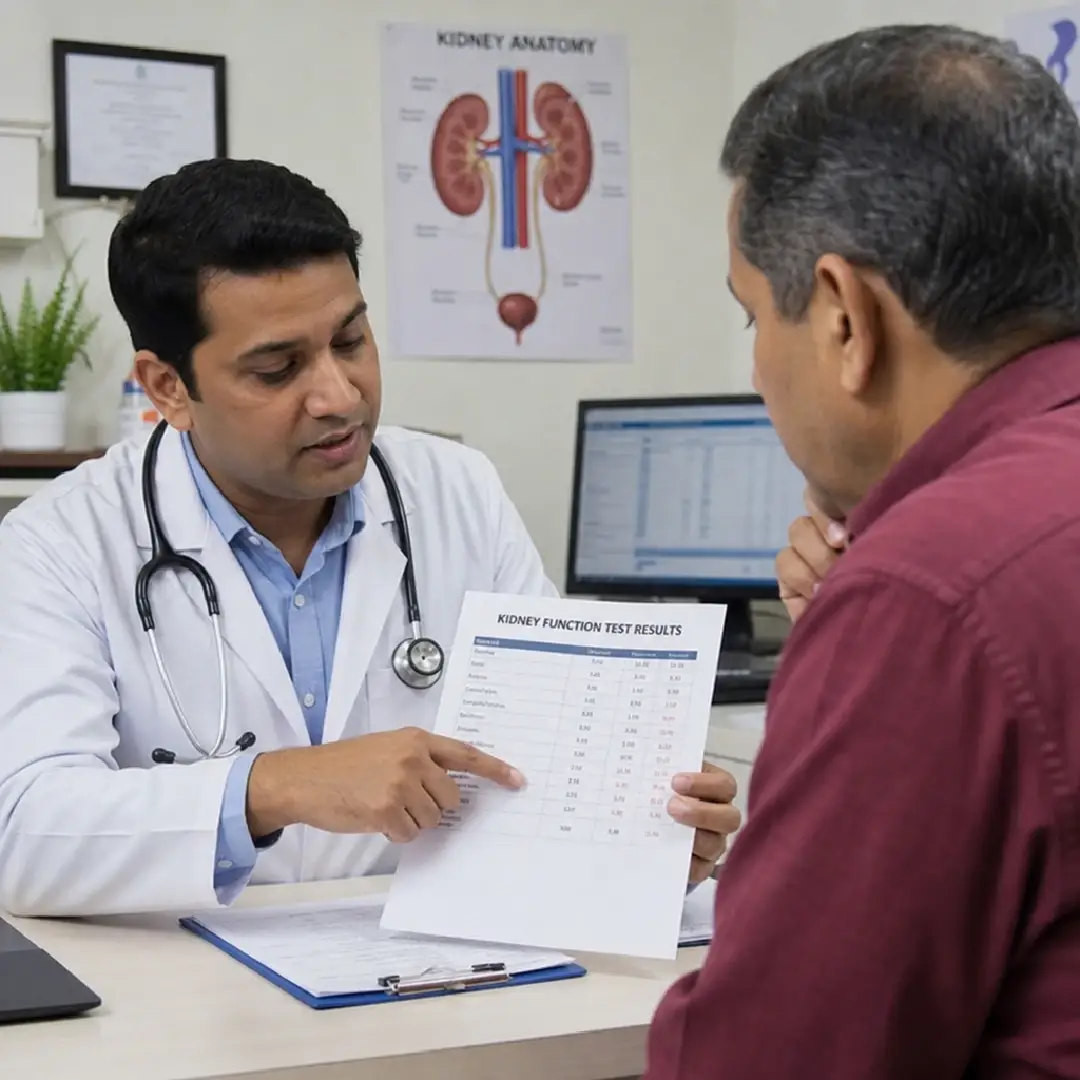
COPD management in primary care often starts with recognizing symptoms, confirming the diagnosis, reviewing smoking or exposure history, and checking whether medicines are working as intended. Spirometry is commonly used to confirm airflow obstruction in people with symptoms, and ongoing reviews help clinicians look for changes in breathlessness, exercise tolerance, exacerbations, and inhaler technique. NICE guidance emphasizes that healthcare professionals caring for people with COPD should have access to spirometry and be competent in interpreting results. (nice.org.uk)
Primary care can also coordinate referrals. Some people benefit from a pulmonologist, respiratory therapist, dietitian, speech-language pathologist, behavioral health clinician, pharmacist, or home health support. In more complex cases, COPD case management may help align appointments, medications, oxygen needs, insurance paperwork, transportation barriers, and follow-up after hospital visits.
If you are looking online for “copd management near me,” consider searching for pulmonary rehabilitation programs, respiratory clinics, primary care practices with chronic disease support, or hospital-based lung health services. The right local option is not always the closest one; it is the one that can review your symptoms, teach practical skills, communicate with your prescriber, and help you update your plan over time.
COPD medication management supports steadier breathing
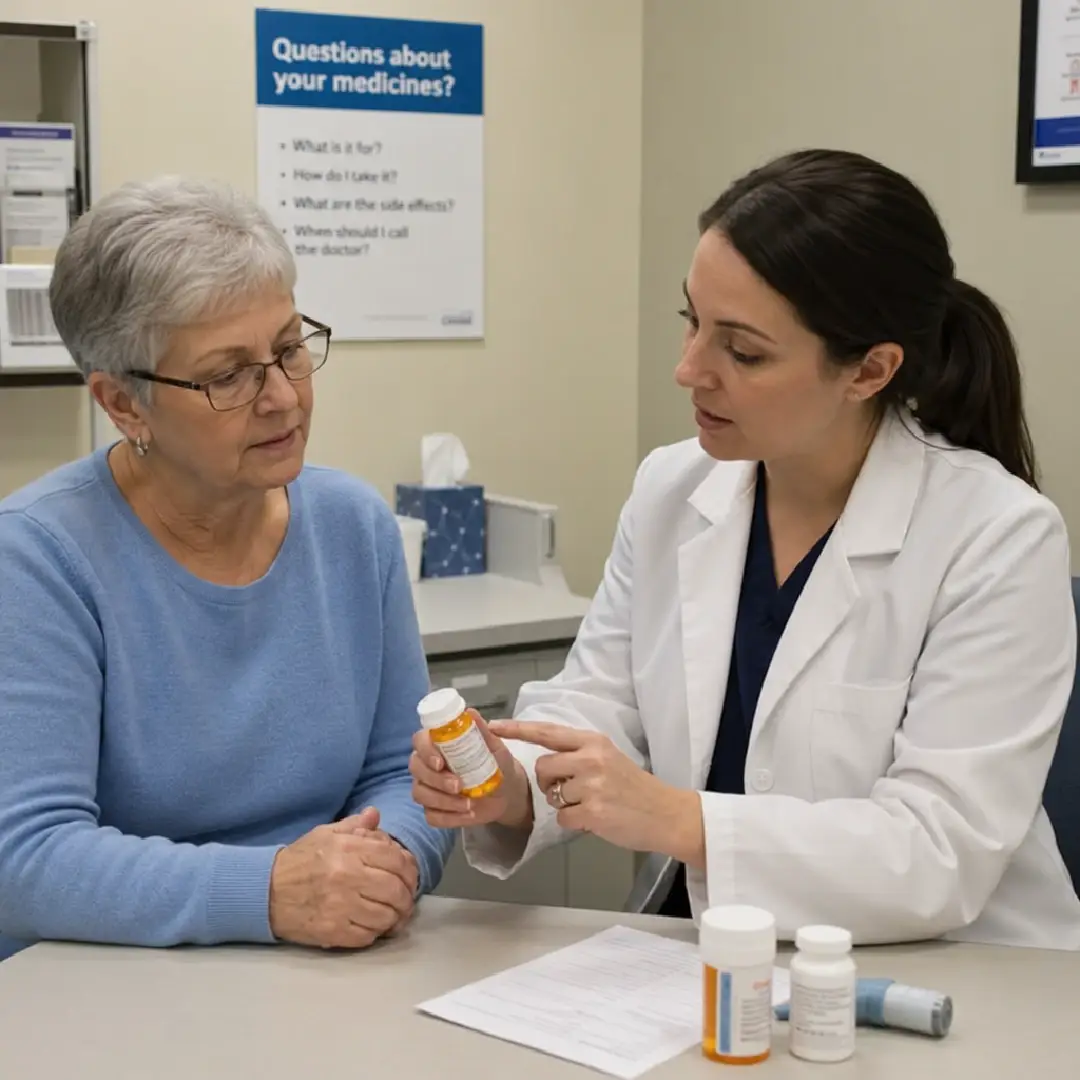
COPD medication management is not just about taking the right medicine. It also includes using the device correctly, knowing which inhaler is for daily control versus quick relief, understanding side effects, and asking for help if cost, dexterity, memory, or coordination makes treatment harder. The American Lung Association recommends reviewing medications and inhalation technique at healthcare visits, because device technique can affect how well treatment works. (lung.org)
Common COPD treatment options may include bronchodilators, inhaled corticosteroids for selected patients, combination inhalers, antibiotics or oral steroids for certain flare-ups, pulmonary rehabilitation, oxygen therapy for people with low oxygen levels, and other therapies for more advanced or difficult-to-control disease. NHLBI explains that pulmonary rehabilitation includes exercise training, health education, and breathing techniques, while oxygen therapy may be used when oxygen levels are low. (nhlbi.nih.gov)
Medication conversations are most useful when they are specific. Instead of saying, “My inhaler doesn’t work,” try noting when symptoms occur, how often you use rescue medicine, whether you wake at night, and what activities you avoid. Bring all inhalers, spacers, nebulizer supplies, and medication lists to appointments so your care team can spot duplications, missed doses, expired prescriptions, or technique issues.
How can you manage breathlessness day to day?
Day-to-day copd breathlessness management is about slowing the cycle of air hunger, fear, and overexertion before it takes over. Breathing techniques, pacing, body positioning, and planned rest breaks can help many people stay more active and feel more in control. Pulmonary rehabilitation programs often teach breathing techniques such as pursed-lip breathing and strategies to control shortness of breath during activity or stress. (nhlbi.nih.gov)
People often search for “breathing exercises copd” when they want something they can use immediately. A simple starting point is pursed-lip breathing: relax your shoulders, breathe in gently through your nose, then breathe out slowly through lips shaped as if you are cooling soup. The goal is not to force a huge breath; it is to make exhaling slower and more controlled.
Practical breathlessness tools include:
- Pace before you are exhausted. Break tasks into smaller steps, such as showering, resting, dressing, and then eating breakfast.
- Use positions that support breathing. Sitting upright, leaning slightly forward, or resting forearms on a table may feel easier during shortness of breath.
- Exhale during effort. Breathe out when standing, lifting, climbing, or reaching rather than holding your breath.
- Keep frequently used items accessible. Reducing bending, rushing, and stair trips can save energy.
- Know your warning signs. Severe breathlessness at rest, chest pain, blue or gray lips or fingernails, confusion, coughing blood, or rapidly worsening symptoms should be treated as urgent.
These techniques do not replace prescribed treatment, but they can make living with COPD feel less unpredictable.
Pulmonary rehabilitation builds confidence
Pulmonary rehabilitation is one of the most useful but underused supports for COPD. It is typically supervised by healthcare professionals and may include exercise training, breathing education, disease management, nutrition support, counseling, and social support. The American Lung Association describes pulmonary rehab as a program that may improve symptoms, reduce hospital admission risk, and improve quality of life. (lung.org)
The exercise portion is not about pushing through breathlessness without limits. It is about learning how to move safely, warm up, recover, and recognize the difference between expected exertion and concerning symptoms. Many people also value the reassurance of exercising with staff who understand lung disease.
Ask your clinician whether pulmonary rehab is appropriate if you have stopped doing activities because of breathlessness, recently had a flare-up, feel unsure about exercise, or want structured education. Some programs are clinic-based, while others may include virtual or home-based components.
Lifestyle changes make treatment work harder for you
COPD lifestyle changes are most effective when they remove friction from everyday life. If you smoke, quitting is one of the most important steps; the CDC identifies tobacco smoke as the main cause of COPD in the United States and says stopping smoking is the most important part of treatment for smokers with COPD. (cdc.gov)
Other changes can also support COPD care management:
- Avoid respiratory irritants when possible, including smoke, heavy fumes, dust, and poor indoor air quality.
- Stay current on vaccines recommended by your healthcare professional, because respiratory infections can trigger serious COPD problems.
- Plan energy use. Sit for grooming, use a shower chair if advised, cook in batches, and allow extra time before appointments.
- Eat in a way that supports breathing. Smaller, balanced meals may be easier if large meals make breathing feel tight.
- Keep moving safely. Gentle, regular activity can help reduce deconditioning, but new exercise plans should be discussed with your clinician.
Small adjustments matter because COPD often narrows the margin between “manageable” and “too much.” The goal is not a perfect routine; it is a repeatable one.
Anxiety, swallowing, and daily comfort deserve attention
COPD and anxiety management is an important part of care because breathlessness can trigger fear, and fear can make breathing feel even harder. The American Lung Association notes that anxiety is common among people with COPD and may be linked with worse symptoms, more healthcare use, and more hospitalizations. (lung.org)
Helpful approaches may include pulmonary rehab, counseling, relaxation skills, support groups, and medication when appropriate. If focusing on the breath makes anxiety worse, tell your clinician or therapist; they can help you use grounding, pacing, or cognitive behavioral strategies that do not make you feel trapped in symptom monitoring.
Some people also need copd dysphagia management. Swallowing and breathing have to coordinate closely, and research has described how COPD may disrupt airway-protective mechanisms and breathing-swallow coordination, increasing concern for aspiration in some patients. (academic.oup.com)
Ask for evaluation if you cough during meals, feel food or liquid “go down the wrong way,” have wet-sounding voice after swallowing, avoid foods because they are tiring, or develop repeated chest infections. A speech-language pathologist can assess swallowing and suggest strategies tailored to the person rather than relying on guesswork.
A COPD self management plan keeps decisions clear
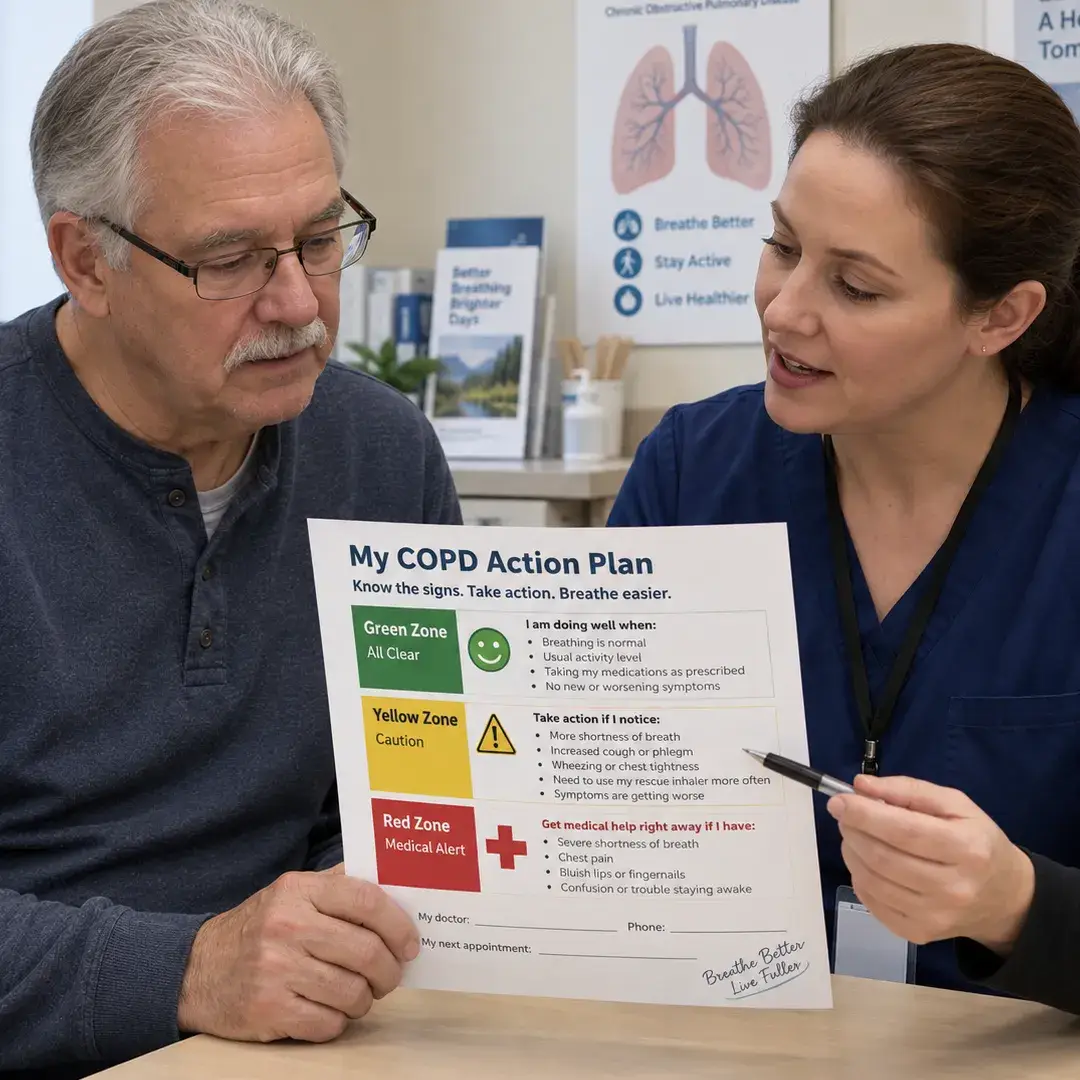
A copd self management plan is a written guide that explains your usual baseline, daily medicines, activity goals, flare-up signs, and what to do when symptoms change. The American Lung Association offers COPD action plan tools that use zones to help people recognize when to use quick-relief medicine, contact a healthcare provider, or seek urgent help. (lung.org)
A useful plan should include:
- Your normal baseline: usual cough, mucus, breathlessness level, oxygen instructions if prescribed, and typical activity tolerance.
- Daily treatment: maintenance inhalers, rescue medicines, nebulizer instructions, oxygen settings, and equipment cleaning steps.
- Flare-up signs: increased breathlessness, more or different mucus, fever, wheezing, lower activity tolerance, or sleep disruption.
- Action steps: who to call, which medicines to use only if prescribed, when to schedule a same-day visit, and when to call emergency services.
- Support contacts: family, caregivers, pharmacy, primary care office, pulmonology office, oxygen supplier, and transportation help.
Review the plan after any emergency visit, hospitalization, major medication change, or noticeable decline in function. A plan that sits in a drawer is easy to forget; keep a copy where you and caregivers can find it quickly.
The takeaway
Living with COPD is easier when care is organized, realistic, and shared with the right professionals. Effective COPD management combines medication reviews, breathing strategies, pulmonary rehabilitation, lifestyle changes, anxiety support, swallowing evaluation when needed, and a written action plan. If symptoms are limiting your life or changing faster than usual, use that as a signal to reconnect with your healthcare team and update the plan before the next flare-up decides for you.
Q&A
Question: What does effective COPD management include?
Short answer: Effective COPD management may include prescribed medications, proper inhaler technique, symptom tracking, breathing exercises, pulmonary rehabilitation, trigger reduction, lifestyle changes, mental health support, and a written action plan for flare-ups. The plan should be personalized and reviewed regularly with a healthcare professional.
Question: How can people manage COPD-related breathlessness day to day?
Short answer: Pacing activities, taking planned rest breaks, sitting upright, leaning slightly forward, and using breathing techniques such as pursed-lip breathing may help make breathlessness more manageable. People should also avoid rushing, keep frequently used items within reach, and discuss new or worsening symptoms with their healthcare team.
Question: What is pulmonary rehabilitation, and can it help with COPD?
Short answer: Pulmonary rehabilitation is a supervised program that may include exercise training, breathing education, health education, nutrition support, counseling, and social support. It can help improve exercise tolerance, build confidence, reduce symptoms, improve quality of life, and potentially lower the risk of hospital admission.
Question: Which lifestyle changes can support COPD management?
Short answer: Important lifestyle strategies include quitting smoking, avoiding smoke and other respiratory irritants, staying current on recommended vaccines, conserving energy during daily tasks, eating balanced meals, and maintaining safe physical activity. New exercise routines should be discussed with a healthcare professional.
Question: When should someone with COPD seek urgent medical help?
Short answer: Severe breathlessness at rest, chest pain, blue or gray lips or fingernails, confusion, coughing blood, or rapidly worsening symptoms should be treated as urgent. A COPD action plan can help clarify when to use prescribed rescue treatments, contact a provider, seek same-day care, or call emergency services.
Question: How can COPD and anxiety affect each other?
Short answer: Breathlessness can trigger fear, while anxiety can make breathing feel more difficult and increase distress. Pulmonary rehabilitation, counseling, relaxation skills, support groups, grounding techniques, and medication when appropriate may help. Patients should tell their clinician if breath-focused exercises increase anxiety.
Question: When might someone with COPD need swallowing support?
Short answer: A swallowing evaluation may be appropriate if a person frequently coughs during meals, feels food or liquid going down the wrong way, develops a wet-sounding voice after swallowing, avoids food because eating is tiring, or experiences repeated chest infections. A speech-language pathologist can assess swallowing and recommend personalized strategies.
Question: What should a COPD self-management plan contain?
Short answer: A COPD self-management plan should describe the person’s usual symptoms and activity level, daily medications, inhaler or nebulizer instructions, oxygen guidance if prescribed, warning signs of a flare-up, action steps, emergency instructions, and important contact information. The plan should be updated after hospital visits, medication changes, or noticeable declines in function.
Need Help Navigating Your Healthcare?
Managing your health can become overwhelming, especially when you are dealing with chronic conditions, multiple medications, specialists, appointments, insurance questions, and finding the right resources.
You don’t have to make important healthcare decisions or navigate the system on your own. Trusted Nurse Advocates provides nurse-led care management to help you understand your care plan, coordinate your healthcare needs, connect with providers and resources, and know what steps to take next.
Have Medicare? You may qualify for care management services. We work with eligible Medicare beneficiaries, including individuals with Original Medicare and participating Medicare Advantage plans.
Reach out today for a free consultation and let us help guide you every step of the way.
Coverage and eligibility vary by Medicare plan and individual circumstances. Contact Trusted Nurse Advocates to verify eligibility and available services.
Michelle Garcia, RN, is a Registered Nurse with 28 years of healthcare experience, including emergency nursing, long-term care, case management, nursing leadership, education, and patient advocacy. As the founder of Trusted Nurse Advocates, Michelle is passionate about helping older adults, people living with chronic conditions, and their families navigate complex healthcare needs, coordinate care, access resources, and remain as safe and independent as possible.
Trusted Nurse Advocates | Nurse-Led Care Management & Patient Advocacy trustednurseadvocates.com