Written by Michelle Garcia, RN | Founder, Trusted Nurse Advocates
Updated 12/14/2025
Managing medications can be overwhelming, especially for caregivers who are already juggling the complexities of healthcare for their loved ones. One simple yet effective tool that can make a world of difference is a medication log. In this article, we’ll explore the benefits of keeping a medication log and how it can streamline medication management, ensure safety, and provide peace of mind.
A medication log is essentially a record of all the medications that a person is taking, including prescription drugs, over-the-counter medications, and supplements. It details the dosage, frequency, and timing of each medication, and can even include notes on side effects or special instructions.
Keeping track of medications can be tricky, especially if there are multiple prescriptions involved. A medication log serves as a handy reference, ensuring that you or your loved one is taking the right medication at the right time.

Benefits of Keeping a Medication Log
Improved Medication Management
A medication log helps you organize and manage medications effectively. By having all the information in one place, you can ensure consistency in medication administration, reducing the risk of missed doses or accidental overdoses.
Enhanced Communication with Healthcare Providers
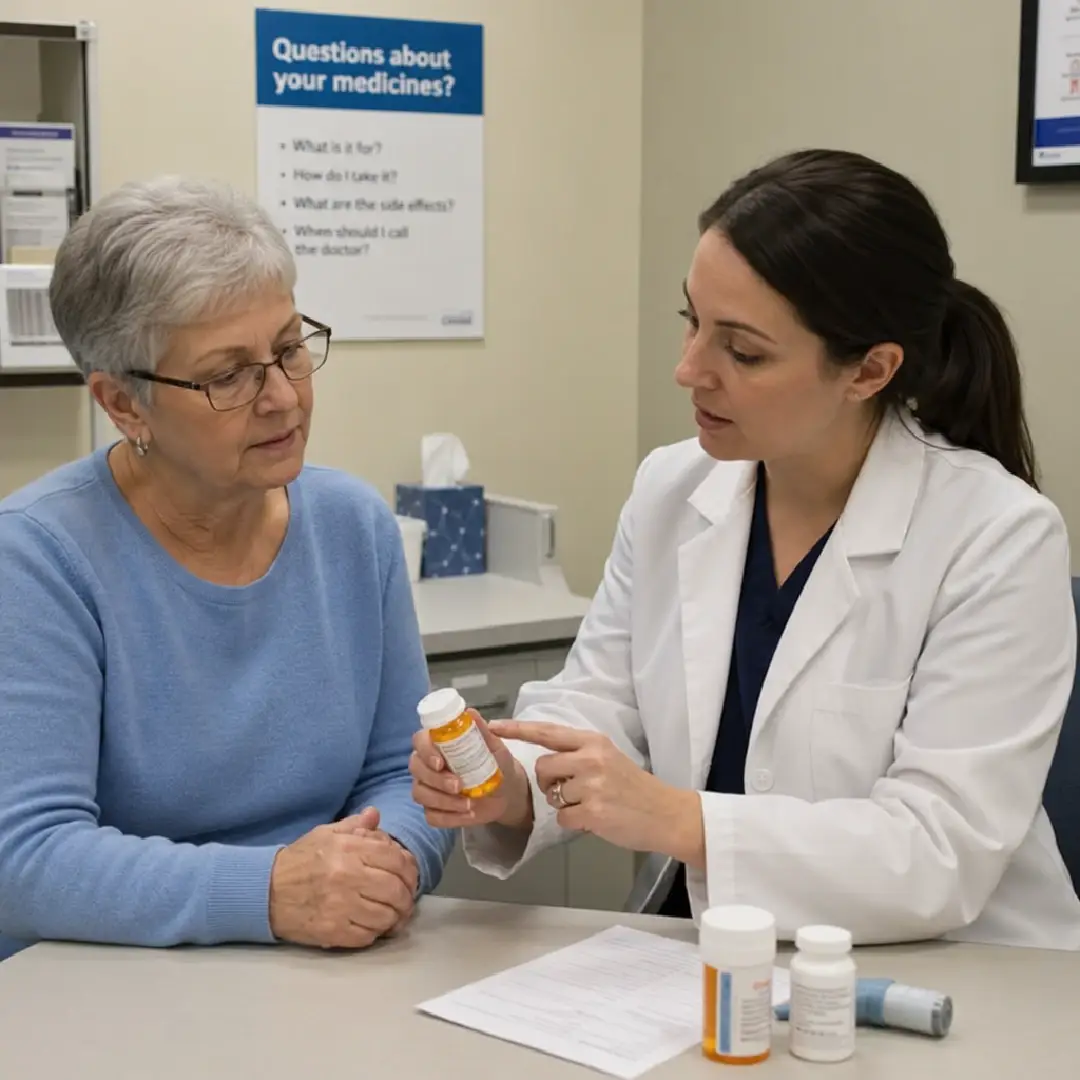
When visiting the doctor or pharmacist, having a medication log on hand can be incredibly helpful. It allows healthcare providers to quickly see what medications are being taken and make informed decisions about treatment plans.

Increased Safety and Reduced Errors
Medication errors can have serious consequences. A medication log minimizes the risk of these errors by providing a clear and accurate record of what is being taken. This is especially important in emergency situations where quick decisions need to be made.
Tracking Side Effects and Allergies
A medication log can also be used to monitor side effects or allergic reactions. By noting any adverse effects, you can help healthcare providers identify potential issues and adjust treatments accordingly.
Peace of Mind for Caregivers
For caregivers, a medication log offers reassurance that their loved one’s medication regimen is being followed correctly. It reduces the mental burden of remembering complex medication schedules and allows caregivers to focus on providing care.
How to Set Up a Medication Log
Creating a medication log is simple, and it can be customized to meet your specific needs. Here are some basic steps to get started:
Step 1: Gather Information
Collect all the necessary information about each medication, including the name, dosage, frequency, and special instructions.
Step 2: Choose a Format
Decide on a format that works best for you. This could be a notebook, a printed template, or a digital app. Choose what you find easiest to use consistently.

by Songyang (https://unsplash.com/@00vsy)
Step 3: Regular Updates
Keep the log updated with any changes to medications, such as new prescriptions or changes in dosage. Consistency is key to ensuring the log remains accurate and useful.
Step 4: Share with Healthcare Providers
Bring the medication log to all medical appointments to share with healthcare providers. This will help them make informed decisions about care and ensure everyone is on the same page.
Tools and Resources for Medication Logs
There are various tools available to help you maintain a medication log. These range from simple paper templates to sophisticated apps that offer reminders and alerts.
Paper Templates
Many healthcare organizations offer free templates for medication logs. These can be printed and filled out by hand.
Mobile Apps
Several apps are designed to help manage medications, offering features like reminders, alerts, and the ability to share information with healthcare providers.
Online Resources
Websites like the American Heart Association provide resources and templates for keeping track of medications.
Tips for Effective Medication Management
- Set Reminders: Use alarms or apps to remind you when it’s time to take medications.
- Organize Medications: Use pill organizers to keep medications sorted by day and time.
- Educate Yourself: Understand what each medication is for and any potential side effects.
- Communicate: Keep open lines of communication with healthcare providers and loved ones about medication changes.
Conclusion
Keeping a medication log is a simple yet powerful tool for managing medications effectively. It enhances communication with healthcare providers, reduces the risk of errors, and provides peace of mind for caregivers. By taking the time to set up and maintain a medication log, you’re taking an important step towards ensuring the safety and well-being of yourself or your loved ones.
Remember, managing medications doesn’t have to be overwhelming. With a medication log, you can take control and ensure that you’re making informed decisions about healthcare. Whether you’re a caregiver or managing your own health, a medication log is an invaluable resource that supports better health outcomes.
Need Help Navigating Your Healthcare?
Managing your health can become overwhelming, especially when you are dealing with chronic conditions, multiple medications, specialists, appointments, insurance questions, and finding the right resources.
You don’t have to make important healthcare decisions or navigate the system on your own. Trusted Nurse Advocates provides nurse-led care management to help you understand your care plan, coordinate your healthcare needs, connect with providers and resources, and know what steps to take next.
Have Medicare? You may qualify for care management services. We work with eligible Medicare beneficiaries, including individuals with Original Medicare and participating Medicare Advantage plans.
Reach out today for a free consultation and let us help guide you every step of the way.
Coverage and eligibility vary by Medicare plan and individual circumstances. Contact Trusted Nurse Advocates to verify eligibility and available services.
Michelle Garcia, RN, is a Registered Nurse with 28 years of healthcare experience, including emergency nursing, long-term care, case management, nursing leadership, education, and patient advocacy. As the founder of Trusted Nurse Advocates, Michelle is passionate about helping older adults, people living with chronic conditions, and their families navigate complex healthcare needs, coordinate care, access resources, and remain as safe and independent as possible.
Trusted Nurse Advocates | Nurse-Led Care Management & Patient Advocacy trustednurseadvocates.com