Written by Michelle Garcia, RN | Founder, Trusted Nurse Advocates
Updated 9/11/2026
Managing medications can become complicated quickly, especially for older adults living with multiple chronic conditions or seeing several healthcare providers. New prescriptions, medication changes after a hospital stay, different pharmacies, side effects, and complicated schedules can make it difficult to keep everything organized.
Medication management helps create a safer, more organized system for keeping track of medications, understanding why they are prescribed, following medication instructions, identifying questions or concerns, and communicating changes with doctors and pharmacists. For seniors and their families, having the right system in place can make managing healthcare at home much easier.
What does medication management actually include?
Medication management is an ongoing process for organizing, reviewing, monitoring, and adjusting medicines so they support a person’s treatment goals as safely as possible. It is not just “getting a refill.” A strong medication plan includes a full medication list, clear instructions, side effect education, interaction checks, adherence support, and communication between the patient and the care team. The FDA recommends keeping track of prescription medications, over-the-counter drugs, vitamins, and supplements because a complete list helps health professionals reduce medication errors and adverse interactions. (fda.gov)
In psychiatric care, this process can be especially important because medication effects may unfold over days or weeks, side effects can influence motivation, and symptoms such as depression, anxiety, distractibility, or mood instability may make routines harder to maintain. A medication management psychiatrist may review current symptoms, past medication responses, sleep, appetite, substance use, medical conditions, and other prescriptions before recommending a drug therapy plan.
A practical medication management plan often includes:
- A current list of all prescriptions, OTC medicines, supplements, and vitamins
- The reason each medication is being taken
- Dose, timing, and instructions such as “with food” or “avoid alcohol”
- Expected benefits and realistic timelines
- Side effects to watch for and when to call the prescriber
- Follow-up appointments to assess response and safety
- A refill plan so treatment is not interrupted unexpectedly
- Coordination with pharmacy services, therapists, primary care providers, or specialists when needed

The difference between medication adherence and patient compliance
Many people still use the term patient compliance, but medication adherence is often a better way to think about the issue. Compliance can sound like the patient is simply expected to follow orders. Adherence focuses more on collaboration: the patient understands the plan, agrees with it, and has realistic tools to follow it.
That distinction matters. People miss doses for many reasons, and most are not about carelessness. A person may forget a midday dose, dislike side effects, worry about stigma, have trouble paying for medication, misunderstand instructions, or feel better and assume the medicine is no longer needed. In mental health treatment, symptoms themselves can interfere with follow-through. ADHD can make routines harder to maintain, depression can reduce motivation, and anxiety can make side effects feel more alarming.
A good provider does not simply ask, “Are you taking it?” They ask what gets in the way. Then they adjust the plan when appropriate, simplify instructions, discuss alternatives, or recommend supports such as medication reminders.
Medication safety starts with a complete picture
Medication safety depends on details. The prescriber and pharmacist need to know what the person is taking, how often they take it, and whether they are using alcohol, cannabis, supplements, or OTC medicines that could affect drug therapy. The FDA notes that drug interactions can involve prescription drugs, OTC products, foods, and medical conditions, and patients should ask doctors or pharmacists about interaction risks and warning signs. (fda.gov)
This is why “natural” supplements still belong on the medication list. Herbal products, sleep aids, pain relievers, and cold medicines can all matter. So can medical conditions such as liver disease, kidney problems, heart conditions, pregnancy, or a history of seizures. The more complete the information, the better the care team can protect against unwanted effects.
Medication safety also means knowing what not to do. Unless a prescriber gives different instructions, patients should not abruptly stop psychiatric medicines, double up after a missed dose, share medication, or use old prescriptions for new symptoms. If a side effect feels severe, frightening, or sudden, it is safer to contact the prescriber, pharmacist, urgent care, or emergency services as appropriate rather than trying to troubleshoot alone.
Practical strategies that make medication routines easier
The best medication routine is one that fits real life. A complicated system may look impressive, but if it depends on perfect memory, it will probably fail during stressful weeks. Simple, visible, repeatable habits work better.
Try these strategies:
- Use one trusted medication list. Keep it updated on paper or in a phone note. Include the medication name, dose, purpose, prescriber, pharmacy, and start date when known.
- Connect doses to existing habits. Morning medication might sit near a toothbrush or coffee mug if storage instructions allow. Evening medication might connect to a bedtime routine.
- Set medication reminders. Phone alarms, calendar alerts, smart speakers, reminder apps, or text prompts can reduce missed doses.
- Use a pill organizer when appropriate. Weekly organizers can make it easier to see whether a dose was taken. Ask a pharmacist first if any medication should stay in original packaging.
- Refill before the last dose. Running out can interrupt treatment and create avoidable symptoms. Many pharmacies offer refill alerts or synchronization options.
- Write down side effects. A brief log of sleep, appetite, mood, focus, nausea, headaches, or energy can make follow-up visits more useful.
- Ask for simpler instructions. If a schedule is confusing, the prescriber may be able to adjust timing or choose a different option.
Pharmacists can also play a valuable role. FDA consumer guidance notes that pharmacists can answer questions about safe medicine use, interactions, side effects, and what to do when a usual medication is unavailable. (fda.gov)
Why psychiatric medication management needs extra care
Psychiatric medication management is different from a one-time prescription because treatment often requires careful monitoring over time. A person may need dose adjustments, side effect management, lab monitoring for certain medicines, or coordination between therapy and medication. NIMH encourages people taking mental health medications to talk with a health care provider about possible side effects and what to expect. (nimh.nih.gov)
Common reasons people seek psychiatrist medication management near me include starting antidepressants, adjusting anxiety medication, evaluating mood stabilizers, managing antipsychotic medication, or reviewing stimulant and non-stimulant options for ADHD. Someone searching for adhd medication management near me may need help with symptom tracking, refill planning, cardiovascular screening questions, sleep or appetite concerns, and school or work functioning.
Mental health medication decisions should be collaborative. A provider may explain why a medication is being considered, what benefits are realistic, which side effects are common, and what alternatives exist. The patient should feel able to say, “I’m worried about weight changes,” “I keep forgetting the afternoon dose,” or “This helps my anxiety but makes me too tired to work.” Those details are not complaints; they are clinical information.
Medication management is the practical system that helps people take the right medicine, at the right dose, at the right time, with the right monitoring. For mental health care, it often includes psychiatric evaluation, prescription management, side effect tracking, coordination with therapy or primary care, and regular follow-ups with a qualified clinician. Whether someone is searching for psychiatric medication management near me, supporting an aging parent, or trying to stay consistent with ADHD treatment, the goal is the same: safer care, clearer decisions, and better day-to-day health management.
Prescription management is a communication system
Prescription management works best when everyone involved can see the same basic picture. That may include the patient, psychiatrist, therapist, primary care provider, pharmacist, caregiver, and sometimes a specialist. When communication is weak, problems can multiply: duplicate medications, unclear refills, avoidable interactions, or conflicting instructions.
A good system answers practical questions:
- Who prescribes each medication?
- Which pharmacy fills it?
- When is the next refill due?
- What should happen if a dose is missed?
- Which side effects require a call?
- Are there lab tests, blood pressure checks, or weight monitoring needs?
- Does insurance require prior authorization or specific pharmacy use?
For people with multiple providers, bringing the same medication list to every visit is one of the simplest safety habits. NIMH also advises telling a mental health provider about all medications being taken, including OTC drugs, herbal remedies, vitamins, and supplements. (nimh.nih.gov)
Special considerations for seniors and caregivers
Medication management services for seniors often require additional attention because older adults may take several medicines, see multiple clinicians, or have memory, vision, mobility, or swallowing challenges. The National Institute on Aging warns that taking more than one medication or supplement with the same active ingredient can cause serious harm, and it encourages older adults to ask what each medicine treats and how to take it safely. (nia.nih.gov)
Caregivers can help without taking away independence. The key is to build a system that is respectful, consistent, and easy to check. For example, a caregiver might help maintain the medication list, set up refill reminders, attend appointments with permission, or notice changes in alertness, balance, appetite, or mood.
Helpful supports for seniors may include:
- Large-print medication schedules
- Easy-open containers when safe and appropriate
- Pharmacy blister packs or synchronized refills
- A single preferred pharmacy to reduce fragmentation
- Written instructions after every medication change
- A shared plan for missed doses or side effects
- Regular medication reviews to discuss whether each medicine is still needed
Medication-assisted treatment and whole-person care
Medication management can also be part of recovery care for substance use disorders. Medication-assisted treatment, often called MAT, combines medications with counseling and behavioral therapies as part of a whole-person approach, according to SAMHSA. (samhsa.gov)
This matters because addiction treatment is not only about stopping a substance. It may involve cravings, withdrawal, mental health symptoms, trauma, sleep disruption, pain, family stress, and relapse prevention. In that setting, medication management services should coordinate with therapy, recovery supports, primary care, and pharmacy services whenever possible.
As with psychiatric medication, the care should be individualized. A person in recovery may need clear instructions, frequent early follow-ups, nonjudgmental communication, and a plan for what to do if cravings return or doses are missed.
How do you choose local medication management services?
Choosing local medication management services starts with matching the provider to the need. If the main concern is depression, anxiety, bipolar disorder, ADHD, psychosis, or complex psychiatric medication, a medication management psychiatrist, psychiatric nurse practitioner, or other qualified mental health prescriber may be appropriate. If the concern is a complicated medication list, interactions, adherence tools, or refill organization, pharmacy services and primary care can also be important parts of the team.
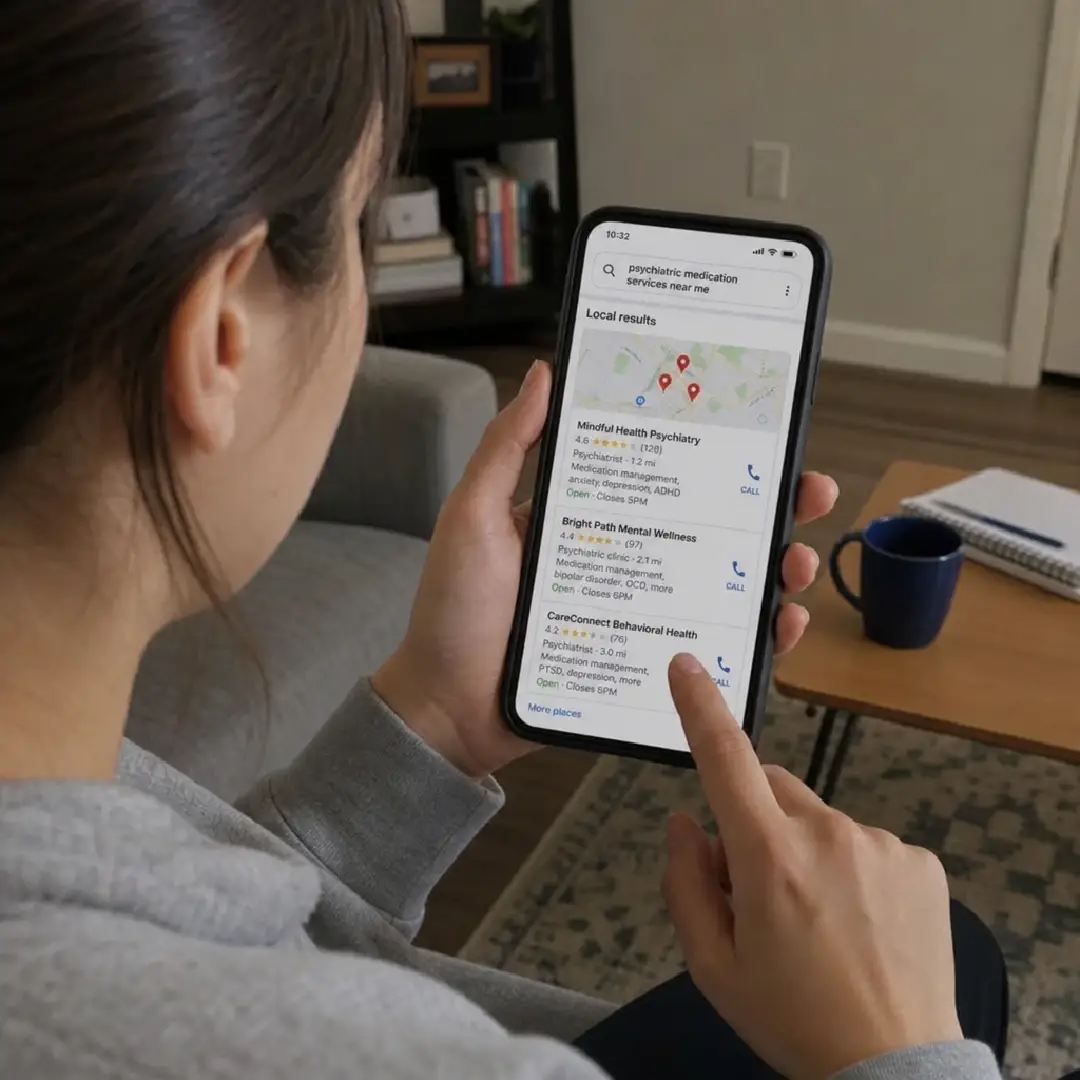
Search terms such as psychiatric medication management near me, psychiatrist medication management near me, or best medication management in nyc can help identify options, but the search result is only the starting point. Look beyond the headline. Review whether the clinic explains its process, offers follow-up care, coordinates with other providers, accepts your insurance, and treats the condition you are seeking help for.
When contacting a provider, ask practical questions:
- Do you provide psychiatric medication management for my concern?
- Who will evaluate and prescribe medication?
- How often are follow-up visits typically scheduled?
- Do you coordinate with therapists, primary care doctors, or caregivers?
- Can you help with ADHD medication management, if relevant?
- How are refills handled between appointments?
- What insurance plans or payment options are accepted?
- What should I do if side effects occur after hours?
For large metro areas such as New York City, access may vary by neighborhood, insurance network, appointment availability, and telehealth options. In rural areas, telehealth or coordinated care with a local pharmacy may make services more accessible. The right fit is usually the provider who offers clear communication, safe monitoring, and a plan you can realistically follow.
A simple checklist for your next medication visit
A medication appointment is easier when you arrive prepared. You do not need a perfect medical file, but a few notes can make the visit more productive and safer.
Bring or prepare:
- Your current medication list, including supplements and OTC products
- The pharmacy name and contact information
- A list of allergies or past bad reactions
- Notes on missed doses and what made them difficult
- Side effects, even if you are unsure they are related
- Symptom changes since the last visit
- Questions about alcohol, cannabis, pregnancy, driving, sleep, or diet
- Insurance or cost concerns that may affect access
- Any recent hospitalizations, urgent care visits, or medication changes
If you feel embarrassed about missed doses, say so anyway. A good clinician would rather know the truth than make decisions based on an ideal version of the routine. Medication management works best when the plan is built around the person’s actual life.
The takeaway
Effective medication management is not about perfection. It is about building a reliable system for medication safety, adherence, communication, and follow-up. For psychiatric care, seniors, ADHD treatment, substance use recovery, or complex prescription management, the right support can make medication feel less confusing and more manageable.
If you are looking for local help, start with a clear search, ask specific questions, and choose a provider who explains the plan in plain language. The best medication management relationship is collaborative: you bring your lived experience, the clinician brings medical expertise, and together you create a safer path forward.
Q&A
Question: What does medication management for seniors include?
Short answer: Medication management includes keeping an up-to-date list of prescriptions, over-the-counter medicines, vitamins, and supplements; understanding why each medicine is taken; reviewing doses and timing; monitoring side effects; planning refills; and communicating medication changes with doctors, pharmacists, caregivers, and other providers.
Question: Why is it important to keep a complete medication list?
Short answer: A complete list helps healthcare professionals identify duplicate medications, potential drug interactions, incorrect doses, and medicines that may no longer be needed. The list should include prescriptions, over-the-counter products, vitamins, herbal supplements, sleep aids, pain relievers, and cold medicines.
Question: What is the difference between medication adherence and compliance?
Short answer: Compliance can suggest that patients are simply expected to follow instructions. Adherence focuses on collaboration and whether the medication plan is realistic for the patient’s daily life. Missed doses may result from side effects, cost, forgetfulness, confusing instructions, stigma, or difficulty maintaining a routine. Identifying these barriers helps the care team create a safer and more practical plan.
Question: What should someone do if they miss a dose or experience a side effect?
Short answer: Patients should follow the specific instructions provided by their prescriber or pharmacist. Unless instructed otherwise, they should not double the next dose, abruptly stop a medication, share medication, or use an old prescription for new symptoms. Severe, sudden, or frightening side effects should be reported promptly to the prescriber, pharmacist, urgent care, or emergency services when appropriate.
Question: How can seniors and caregivers make medication routines easier to manage?
Short answer: Helpful strategies include using one trusted medication list, connecting doses to established daily habits, setting reminders, using a pill organizer when appropriate, arranging refill alerts or synchronized refills, keeping a side-effect log, and requesting written instructions after medication changes. Caregivers can provide support while still respecting the older adult’s independence.
Question: Why does psychiatric medication management require regular follow-up?
Short answer: Psychiatric medications may take time to show their full effects and may require dose adjustments, side-effect monitoring, laboratory testing, or coordination with therapy and primary care. Regular follow-up allows the clinician and patient to review symptoms, sleep, appetite, mood, focus, medication adherence, and concerns before making informed treatment decisions.
Question: What questions should patients ask before choosing a medication management provider?
Short answer: Patients can ask who will evaluate and prescribe medication, how often follow-up visits occur, how refills are handled, whether the provider coordinates with therapists and primary care doctors, what to do about side effects after hours, whether ADHD or other specific medication needs are addressed, and which insurance plans or payment options are accepted.
Need Help Navigating Your Healthcare?
Managing your health can become overwhelming, especially when you are dealing with chronic conditions, multiple medications, specialists, appointments, insurance questions, and finding the right resources.
You don’t have to make important healthcare decisions or navigate the system on your own. Trusted Nurse Advocates provides nurse-led care management to help you understand your care plan, coordinate your healthcare needs, connect with providers and resources, and know what steps to take next.
Have Medicare? You may qualify for care management services. We work with eligible Medicare beneficiaries, including individuals with Original Medicare and participating Medicare Advantage plans.
Reach out today for a free consultation and let us help guide you every step of the way.
Coverage and eligibility vary by Medicare plan and individual circumstances. Contact Trusted Nurse Advocates to verify eligibility and available services.
Michelle Garcia, RN, is a Registered Nurse with 28 years of healthcare experience, including emergency nursing, long-term care, case management, nursing leadership, education, and patient advocacy. As the founder of Trusted Nurse Advocates, Michelle is passionate about helping older adults, people living with chronic conditions, and their families navigate complex healthcare needs, coordinate care, access resources, and remain as safe and independent as possible.
Trusted Nurse Advocates | Nurse-Led Care Management & Patient Advocacy trustednurseadvocates.com