

Written by Michelle Garcia, RN | Founder, Trusted Nurse Advocates
Updated 12/14/2025
A medication log sheet helps keep track of important information about a person’s medications. This makes it easier to create a good medication chart. As a nurse, I have seen so many medication errors due to not racking correctly. It serves as a quick reference guide, reducing the risk of errors and ensuring medications are taken correctly. Here are some reasons why having a medication log sheet is crucial:
- Prevents Missed Doses: A chart helps you keep track of what medication has been taken and when, ensuring no doses are missed. This is particularly important for individuals with complex medication schedules involving multiple drugs at different times. By preventing missed doses, you help maintain the efficacy of the treatment plan and avoid potential health complications.
- Avoids Double Dosing: It reduces the chance of accidentally taking more than the prescribed dose. Double dosing can lead to serious side effects and even life-threatening conditions. A well-maintained medication log sheet gives a quick update on what has been taken. It helps prevent errors, especially in busy homes or for people with memory issues.
- Provides Clarity: Having a visual representation of the medication schedule simplifies the process, especially for caregivers and elderly patients. It eliminates confusion and provides a structured approach to medication administration. This clarity is important in stressful situations or when many caregivers are involved. It helps ensure everyone understands the same information.
- Facilitates Communication: It allows for easy sharing of medication information with healthcare providers. When you visit doctors or specialists, a detailed chart can give a clear overview of your current medications. This helps healthcare providers make quick and informed decisions, improving the quality of your care.
Elements of an Effective Medication Log Sheet
Creating an effective medication chart involves including all the necessary details that make it easy to use and understand. Here are the key elements to consider:
Basic Information
Start by including the basic information about the person for whom the chart is being prepared. This includes:
- Name: The full name of the person taking the medication. This ensures that the chart is personalized and avoids any mix-up if multiple charts are in use within a household.
- Date of Birth: Useful for identification purposes. It helps check patient records, especially in healthcare. This ensures the right chart is used for the right person.
- Emergency Contact Information: Please provide the name and phone number of a person to contact in an emergency. This is important. It allows quick access to someone who can make decisions. They can also share medical history in emergencies.
Medication Log Sheet Details
The heart of the medication chart is the list of medications. For each medication, include:
- Name of the Medication: Use both the generic and brand names if possible. This dual naming helps in avoiding confusion, especially since different pharmacies may stock different brands.
- Dosage: Clearly specify the amount to be taken. Precise dosage information is critical to ensure therapeutic effectiveness and prevent under or overdosing.
- Frequency: How often the medication should be taken (e.g., once a day, twice a day). This ensures regularity and consistency in medication administration, which is key to maintaining the medication’s intended effects.
- Time of Day: Note the specific times the medication should be taken (e.g., morning, noon, evening). This timing can be crucial for medications that need to be taken with food or need to be spaced out for optimal absorption.
- Special Instructions: Include any other relevant instructions, such as whether the medication should be taken with food. This section can also include warnings about potential interactions with other medications or foods.
Additional Sections
- Allergies: List any known allergies to medications. This information is vital to prevent allergic reactions and should be easily accessible to anyone administering the medication.
- Prescribing Doctor: Include the name and contact information of the healthcare provider who prescribed the medication. This allows for quick communication if there are questions or concerns about the medication.
- Pharmacy Information: Contact details of the pharmacy where the medications are filled. This can be helpful for refills or if there are questions about the medications provided.
Designing Your Medication Log Sheet


Creating a medication chart can be as simple or as detailed as you need it to be. Here are some tips to help you design an effective chart:
Choose a Template
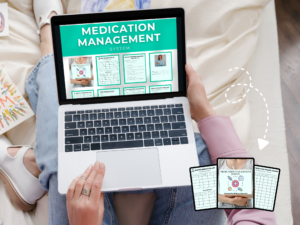
You don’t have to start from scratch. There are many free printable medication log sheet PDFs and templates available online. Look for a medication tracker template that suits your needs. Some popular options include:
- Daily Medication Log Sheet PDF: Perfect for tracking daily medications. These are ideal for individuals with straightforward daily regimens, allowing them to tick off each dose as it’s taken.
- Seven Day Medication Calendar Template Free: Ideal for weekly medication management. This template gives a clear overview. It helps you plan and prepare doses ahead of time. This is especially useful for people using weekly pill organizers.
Customize the Template

Once you’ve chosen a template, customize it to fit your specific requirements:
- Add Columns or Rows: Depending on the number of medications, you may need to add extra columns or rows. Customization ensures that your chart is comprehensive and tailored to your needs.
- Use Color Coding: Use different colors to differentiate between morning, afternoon, and evening doses. This visual aid makes it quicker to identify when doses are due and reduces the chance of error.
- Include a Notes Section: This can be used to jot down any observations or side effects. Having a dedicated space for notes allows caregivers to document and monitor any changes or reactions to the medications.
Keep It Accessible
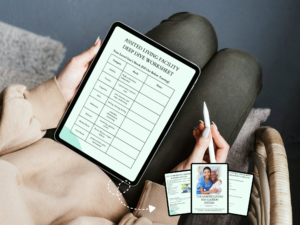
Make sure the chart is easily accessible to anyone who needs it. You can:
-
- Print several copies.
- Keep one copy in the medicine cabinet.
- Place another in the kitchen.
- Put one in the person’s bag for easy access.
Multiple copies ensure that the chart is always at hand when needed, reducing the risk of missed doses.
- Use a Digital Version: Think about using a digital medication log. You can share it with family and healthcare providers. Digital versions can be updated in real-time and are particularly useful for remote caregiving or telehealth consultations.
Keeping the Chart Up-to-Date

by Harrison Chang (https://unsplash.com/@harrisonchang)
A medication chart is only as good as the information it contains. Here’s how to keep it current:
- Update Regularly: Any change in medication should be promptly reflected in the chart. This includes changes in dosage, frequency, or newly prescribed medications to ensure that the chart remains an accurate resource.
- Review With Healthcare Providers: Periodically review the chart with doctors or pharmacists to ensure accuracy. Regular reviews can catch potential interactions or redundancies in medication regimens.
- Monitor for Side Effects: Keep track of any adverse reactions and discuss them with healthcare providers. Documenting side effects can help in adjusting medications promptly to improve patient comfort and treatment outcomes.
Benefits of Using a Medication Log Sheet
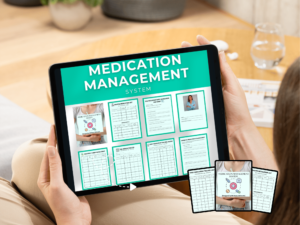
Please read more about the benefits of using a medication log sheet here. Using a medication log sheet has numerous benefits that go beyond simply keeping track of pills:
- Peace of Mind for Caregivers: Knowing that all medication information is organized and accessible can greatly reduce stress. Caregivers can focus on providing care rather than worrying about the accuracy of medication administration.
- Improved Health Outcomes: Proper medication management leads to better adherence, which can improve overall health. Patients who adhere to their medication schedules are more likely to experience the full therapeutic benefits of their treatments.
- Streamlined Healthcare Visits: With all the information at hand, visits to the doctor become more efficient and productive. Having a comprehensive medication list allows healthcare providers to make informed decisions quickly, enhancing the quality of care.
Customizing Your Medication Log Sheet
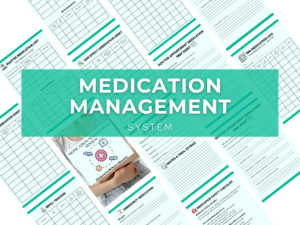
While generic forms are useful, customizing your medication log template can greatly improve how you manage care. A good template should include spaces for the medication name, dosage, frequency, and a checkbox for when the dose is taken. To stay organized and consistent, you can adapt the medication log sheet to fit your daily routine. This is useful whether you are tracking for a senior family member or managing your own recovery.
Downloading a Daily Medication Log Sheet PDF

Many people find it easiest to use a free printable medication log sheet pdf. This sheet is ready to use immediately. Having a physical copy on the refrigerator or bedside table serves as a constant visual reminder. A daily medication log sheet pdf lets you print a new page each week or month. This creates a clear record of your medication use. You can easily share this with doctors during appointments. This simple paper trail is often more effective than complex apps for tracking day-to-day health.
Conclusion
Creating and keeping a good medication log sheet is an easy task. It can greatly help the health and well-being of people taking medications. By organizing all the important details and keeping the chart current, caregivers can manage medications safely and effectively. You can choose a basic medication log or a detailed medication schedule template. The key is to find a system that works best for you and your loved one.
Taking the time to set up a medication chart is a small step that can lead to big improvements in managing health. With the right tools, you can provide the best care possible with confidence and ease. By using a medication log sheet every day, you make managing medications easier. This also helps create trust and safety in caregiving. In the end, it leads to better health and peace of mind for everyone.
Now that you have your tracking tool ready, you can focus on the bigger picture of your health. To learn more about optimizing your routine, read our guide on effective strategies for medication management.
Using a medication log sheet is a good first step. Knowing why this habit is important helps you keep it up. By consistently tracking your dosages, you aren’t just filling out paperwork; you are actively safeguarding your health. To understand why this habit is important, check out our guide. It explains how keeping a medication log can help you avoid mistakes and improve your doctor visits. Read more about the benefits of keeping a medication log.

Need Help Navigating Your Healthcare?
Managing your health can become overwhelming, especially when you are dealing with chronic conditions, multiple medications, specialists, appointments, insurance questions, and finding the right resources.
You don’t have to make important healthcare decisions or navigate the system on your own. Trusted Nurse Advocates provides nurse-led care management to help you understand your care plan, coordinate your healthcare needs, connect with providers and resources, and know what steps to take next.
Have Medicare? You may qualify for care management services. We work with eligible Medicare beneficiaries, including individuals with Original Medicare and participating Medicare Advantage plans.
Reach out today for a free consultation and let us help guide you every step of the way.
Coverage and eligibility vary by Medicare plan and individual circumstances. Contact Trusted Nurse Advocates to verify eligibility and available services.
Michelle Garcia, RN, is a Registered Nurse with 28 years of healthcare experience, including emergency nursing, long-term care, case management, nursing leadership, education, and patient advocacy. As the founder of Trusted Nurse Advocates, Michelle is passionate about helping older adults, people living with chronic conditions, and their families navigate complex healthcare needs, coordinate care, access resources, and remain as safe and independent as possible.